


-extra Quality- Free Hindi Comics Savita Bhabhi All Pdf May 2026

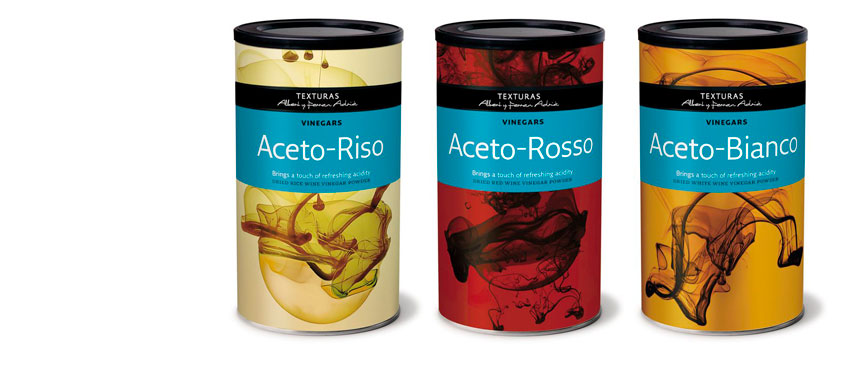
Since its creation in 1997, elBullitaller’s aim has been to expand the range of textures that can be used in the kitchen. As a result of this research, techniques such as foams, clouds, etc. have been created, representing an evolution in his style.
The Texturas range is essential if you want to incorporate some of our most famous techniques into your kitchen, such as hot jellies, air, gelatine caviar or spherical ravioli.
The products that make up the five families – Spherification, Gelification, Emulsification, Thickeners and Surprises – are the result of a rigorous selection and testing process. Texturas is the beginning of a world of magical sensations that has expanded over the years.

SFERIFICATION
Spherification is a spectacular culinary technique, introduced at elBulli in 2003, that allows you to create recipes never before imagined. It is the controlled gelling of a liquid which, when immersed in a bath, forms spheres. There are two types: Basic Spherification (which consists of immersing a liquid with algin in a calcic bath) and Reverse Spherification (immersing a liquid with gluco in an algin bath). These techniques make it possible to obtain spheres of different sizes: caviar, eggs, gnocchi, ravioli… In both techniques, the spheres obtained can be manipulated as they are slightly flexible. We can introduce solid elements into the spheres, which remain suspended in the liquid, thus obtaining two or more flavours in one preparation. In basic spherification, some ingredients require the use of citrus to correct the acidity; in reverse spherification, xanthan is usually used to thicken. Spherification requires the use of specific tools, which are included in the kits.

GELLING
Jellies are one of the most characteristic preparations of classical cuisine and have evolved with modern cuisine. Until a few years ago, they were mainly made with gelatin sheets (known as “fish tails”); since 1997, agar, a derivative of seaweed, has been used.
The kappa and iota carrageenans are also obtained from seaweed and have specific properties of elasticity and firmness that give them their own personality.
To complete the family, we present gellan, which makes it possible to obtain a rigid and firm gel, and methyl, with high gelling power and great reliability.

EMULSIFICATION
The Lecite product, which is used to make aerated preparations, has been joined by two other products, Sucro and Glice. The main feature of the latter is its ability to combine two phases that cannot be mixed, such as fatty and aqueous media. This makes it possible to create emulsions that would otherwise be very difficult to achieve. -Extra Quality- Free Hindi Comics Savita Bhabhi All Pdf

THICKENERS
Products have always been used in the kitchen to thicken sauces, creams, juices, soups, etc. Starch, cornstarch, flour are the traditional thickeners used, with the disadvantage that a significant amount has to be added, which affects the final flavour.
With the Xantana family of thickeners, we present a new product capable of thickening cooking preparations with a minimum quantity and without altering the initial flavour characteristics in any way.

SURPRISES
It is a line of products whose main characteristic is the possibility of consuming them directly, either on their own or mixed with other ingredients and preparations. The family reconvenes
These are products with different characteristics, but with a common denominator, their special texture, specific and unique to each of them, effervescent in the case of Fizzy, Malto and Yopol, and crunchy in Crumiel, Trisol and Crutomat. Flavours and textures that can be a fantastic and surprising solution for refining both sweet and savoury recipes.

OTHER PRODUCTS


The family reconvenes. The noise level rises again. The television blares a Hindi news channel or a reality singing show. The smell of frying pakoras (onion fritters) mixes with the evening traffic sounds. This is the golden hour for stories. Aarav shares a tale of a school cricket match lost by 2 runs. Ananya performs a spontaneous, un-choreographed dance to a film song. Rajesh vents about a difficult client, while Priya listens and offers gyaan (wisdom) disguised as sarcasm.
The lights go off. The only sounds are the ceiling fan’s hum and the distant hoot of a train. The day’s arguments, laughter, scolding, and celebrations settle into the walls. Tomorrow, the symphony will begin again with the clink of that steel glass.
Dinner is a silent, sacred affair—but only because everyone is eating with focus. The meal is served on a thali (a steel platter with multiple small bowls): roti , dal , chawal , sabzi , dahi (yogurt), and a pickle that varies by day. The unwritten rule of an Indian family: No one leaves the table hungry. The final story is always from Priya, as she packs leftover food into a tiffin for the stray dog outside the gate, teaching the children that compassion is the highest form of faith.
The house is quieter. The children are at school, Rajesh is at his engineering firm, and Priya has left for her teaching job. Dadaji is napping, his newspaper spread over his face. Dadi, however, is on her "social network"—the neighbor’s balcony. The story here is a whispered saga: whose son is getting married, who bought a new car, and a detailed critique of the new family’s aaloo sabzi. In India, community is an extension of family. A problem is never yours alone; it’s shared over a cup of cutting chai.
The real story here is negotiation. Ananya refuses to eat her paratha unless it’s cut into star shapes. Aarav negotiates five more minutes of phone time after school. The air smells of ginger tea, toast, and the faint aroma of incense from the small temple in the hallway.
Dadi, without fail, tells a story from the Ramayana or a folk tale from her village. These are not just stories; they are the moral compass of the household, woven into the fabric of daily life.
The day begins not with an alarm, but with the soft clinking of a steel glass and the murmur of prayers. Dadi is already in the kitchen, boiling water for her herbal tea and soaking methi (fenugreek) seeds for the day’s vegetables. Dadaji is on the balcony, doing his Surya Namaskar (sun salutations) as the orange sun spills over the city. The first story of the day is Dadaji’s: “When I was your age, I walked 5 kilometers to school, and we had no fans in the classroom...”
To step into an average Indian household is to step into a symphony—a beautiful, chaotic, and deeply affectionate blend of sounds, smells, and stories. The Sharma family, living in a bustling suburb of Jaipur, is a perfect example. They are a three-generation unit: grandparents (Dadi and Dadaji), parents (Rajesh and Priya), and two school-going children, Aarav (14) and Ananya (10). Their life isn't a Bollywood musical, but it has its own rhythm.
The family reconvenes. The noise level rises again. The television blares a Hindi news channel or a reality singing show. The smell of frying pakoras (onion fritters) mixes with the evening traffic sounds. This is the golden hour for stories. Aarav shares a tale of a school cricket match lost by 2 runs. Ananya performs a spontaneous, un-choreographed dance to a film song. Rajesh vents about a difficult client, while Priya listens and offers gyaan (wisdom) disguised as sarcasm.
The lights go off. The only sounds are the ceiling fan’s hum and the distant hoot of a train. The day’s arguments, laughter, scolding, and celebrations settle into the walls. Tomorrow, the symphony will begin again with the clink of that steel glass.
Dinner is a silent, sacred affair—but only because everyone is eating with focus. The meal is served on a thali (a steel platter with multiple small bowls): roti , dal , chawal , sabzi , dahi (yogurt), and a pickle that varies by day. The unwritten rule of an Indian family: No one leaves the table hungry. The final story is always from Priya, as she packs leftover food into a tiffin for the stray dog outside the gate, teaching the children that compassion is the highest form of faith.
The house is quieter. The children are at school, Rajesh is at his engineering firm, and Priya has left for her teaching job. Dadaji is napping, his newspaper spread over his face. Dadi, however, is on her "social network"—the neighbor’s balcony. The story here is a whispered saga: whose son is getting married, who bought a new car, and a detailed critique of the new family’s aaloo sabzi. In India, community is an extension of family. A problem is never yours alone; it’s shared over a cup of cutting chai.
The real story here is negotiation. Ananya refuses to eat her paratha unless it’s cut into star shapes. Aarav negotiates five more minutes of phone time after school. The air smells of ginger tea, toast, and the faint aroma of incense from the small temple in the hallway.
Dadi, without fail, tells a story from the Ramayana or a folk tale from her village. These are not just stories; they are the moral compass of the household, woven into the fabric of daily life.
The day begins not with an alarm, but with the soft clinking of a steel glass and the murmur of prayers. Dadi is already in the kitchen, boiling water for her herbal tea and soaking methi (fenugreek) seeds for the day’s vegetables. Dadaji is on the balcony, doing his Surya Namaskar (sun salutations) as the orange sun spills over the city. The first story of the day is Dadaji’s: “When I was your age, I walked 5 kilometers to school, and we had no fans in the classroom...”
To step into an average Indian household is to step into a symphony—a beautiful, chaotic, and deeply affectionate blend of sounds, smells, and stories. The Sharma family, living in a bustling suburb of Jaipur, is a perfect example. They are a three-generation unit: grandparents (Dadi and Dadaji), parents (Rajesh and Priya), and two school-going children, Aarav (14) and Ananya (10). Their life isn't a Bollywood musical, but it has its own rhythm.


© Albert Adrià, 2026
© 2026 — Clear Eastern Network


