cineturismo, location, cinema, turismo, film tourism, movie tour, Ultimo Paradiso, Scamarcio, Rocco Ricciardulli, Gravina, Murgia, Puglia, Apulia, Bari, piazza unità d'Italia, Trieste, Netflix

The demo featured a linear sequence through the crumbling streets of Olympia, culminating in a climactic battle against the Chimera and a horde of undead soldiers. What made this build legendary were the elements that were later removed : a more aggressive camera shake during magic attacks, a distinctly different lighting model with higher contrast shadows, a "crunchier" sound design for the Blade of Olympus, and most famously, a gore system that painted the environment in visceral, dripping layers that were slightly toned down for retail. For fans watching low-resolution YouTube rips, this build represented the "uncut" vision of Kratos’s rage. For nearly a decade after the demo’s E3 appearance, the actual downloadable file (PKG file for the PS3) remained locked behind Sony’s internal servers and debug units. Rumors circulated on forums like AssemblerGames and Reddit about collectors possessing "dev kit only" copies, but proof was scarce.

In the annals of video game history, few vertical slices of a product have generated as much mythological weight as the God of War III demo shown at the Electronic Entertainment Expo (E3) in 2009. For years, this specific build of the game was considered a holy grail—a "lost" version of the epic that existed only on show floor kiosks and captured press recordings. The eventual leak and subsequent availability of this demo for download is not merely a story of file sharing; it is a case study in game development transparency, marketing mystique, and the insatiable appetite of a fanbase hungry for unpolished authenticity. The Promise of the Vertical Slice To understand the demo’s allure, one must first understand its context. In 2009, Sony Santa Monica was under immense pressure. God of War III was tasked with concluding Kratos’s Greek saga on the PlayStation 3, a console known for its complex Cell architecture. The E3 demo was not a simple level cut from the final game; it was a hand-crafted, pre-alpha spectacle designed to showcase the raw power of the new hardware.

The breakthrough came in the late 2010s, coinciding with the maturation of the PS3 homebrew scene. An anonymous former kiosk technician or journalist seemingly dumped the original E3 demo file. When the download first appeared on file-sharing sites, it created a quiet earthquake in the preservationist community. Unlike the later God of War III demo released on PSN in 2010 (which was a polished, near-final build), the E3 2009 download was a time capsule. Users reported missing textures, placeholder HUD elements, and frame-rate dips—all the hallmarks of a work-in-progress that had been optimized solely for the controlled environment of a show floor. The availability of this download allowed players to perform what game historians call "differential analysis." By comparing the E3 demo directly with the retail game, enthusiasts mapped out exactly what changed during the final year of development.

Downloading and playing that demo is an act of archaeological curiosity. It allows one to feel the rough edges, the ambition, and the technical wizardry that existed before the final polish. It reminds us that the games we revere are not born perfect; they are carved from flawed, ambitious vertical slices. The E3 2009 demo of God of War III is, fittingly, a ghost of Sparta—an incomplete, brutal, and beautiful ghost that fans refused to let fade into digital oblivion. And for a few hours, by installing that illicit PKG file onto a jailbroken PS3 or emulator, you can walk through a version of Olympus that never truly existed, except in the heat of E3 2009.
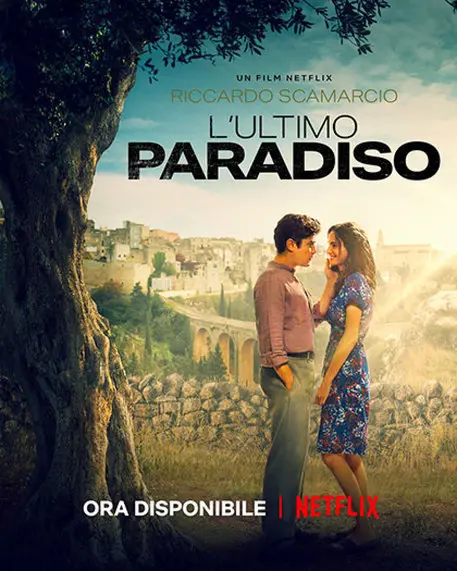
Where it was filmed 'L'ultimo Paradiso'

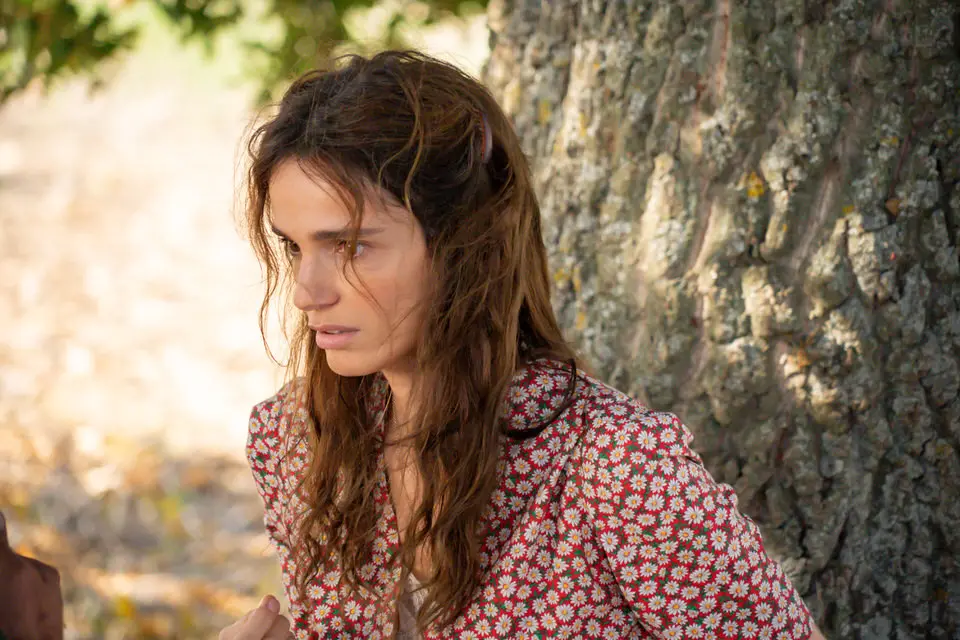
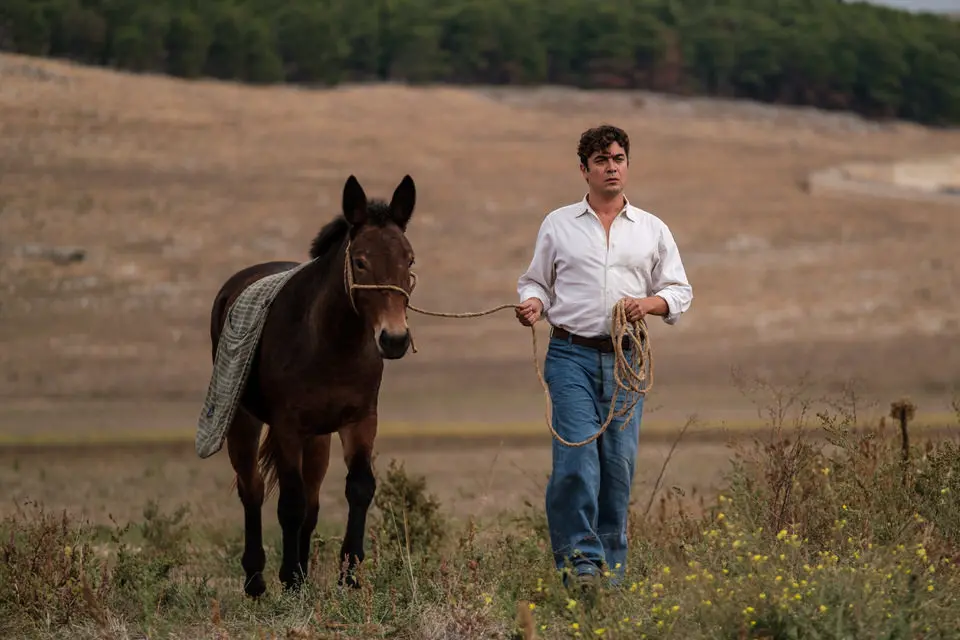
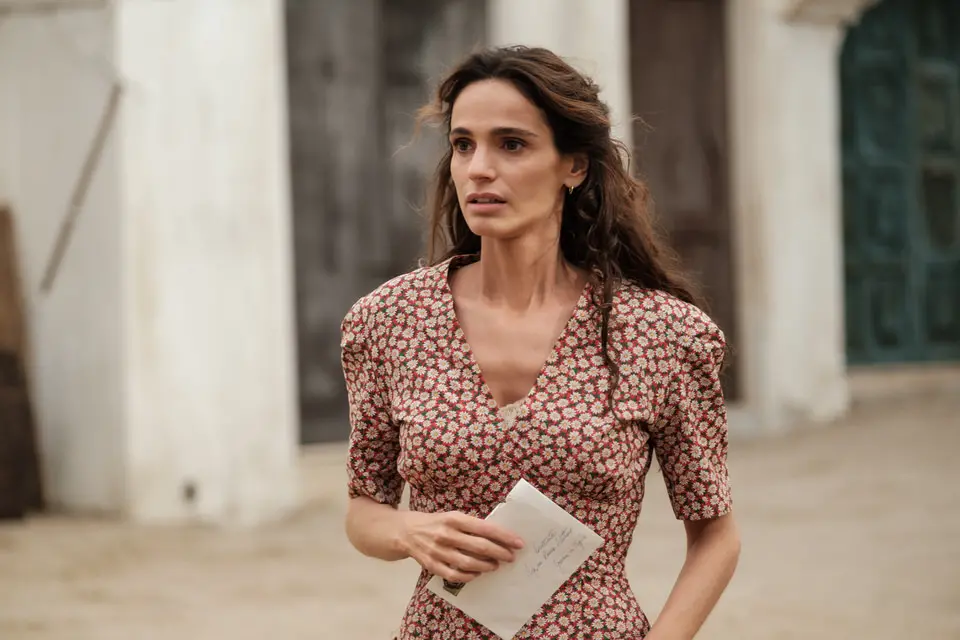
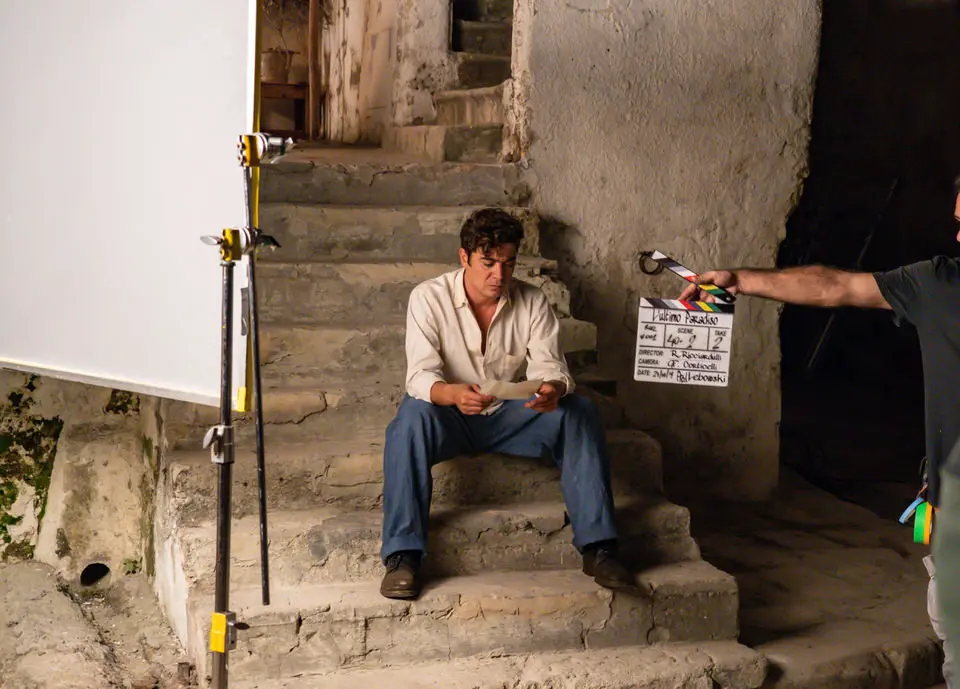
The director Rocco Ricciardulli, from Bernalda, shot his second film, L’ultimo Paradiso between October and December 2019, several dozen kilometres from his childhood home in the Murgia countryside on the border of the Apulia and Basilicata regions. The beautiful, albeit dry and arid landscape frames a story inspired by real-life events relating to the gangmaster scourge of Italy’s martyred lands. It is set in the late 1950’s, an era when certain ancestral practices of aristocratic landowners, archaic professions and a rigid division of work, owners and farmhands, oppressors and oppressed still exist and the economic boom is still far away, in time and space.

The borgo of Gravina in Puglia, where time seems to stand still, is perched at a height of 400m on a limestone deposit part of the fossa bradanica in the heart of the Parco nazionale dell’Alta Murgia. The film immortalizes the town’s alleyways, ancient residences and evocative aqueduct bridging the Gravina river. The surrounding wild nature, including olive trees, Mediterranean maquis and hectares of farm land, provides the typical colours and light of these latitudes. Just outside the residential centre, on the slopes of the Botromagno hill, which gives its name to the largest archaeological area in Apulia, is the Parco naturalistico di Capotenda, whose nature is so pristine and untouched that it provided a perfect natural backdrop for a late 1950s setting.

The alternative to oppression is departure: a choice made by Antonio whom we first meet in Trieste at the foot of the fountain of the Four Continents whose Baroque appearance decorates the majestic piazza Unità d’Italia.

Where it was filmed 'L'ultimo Paradiso'

The director Rocco Ricciardulli, from Bernalda, shot his second film, L’ultimo Paradiso between October and December 2019, several dozen kilometres from his childhood home in the Murgia countryside on the border of the Apulia and Basilicata regions. The beautiful, albeit dry and arid landscape frames a story inspired by real-life events relating to the gangmaster scourge of Italy’s martyred lands. It is set in the late 1950’s, an era when certain ancestral practices of aristocratic landowners, archaic professions and a rigid division of work, owners and farmhands, oppressors and oppressed still exist and the economic boom is still far away, in time and space.

The borgo of Gravina in Puglia, where time seems to stand still, is perched at a height of 400m on a limestone deposit part of the fossa bradanica in the heart of the Parco nazionale dell’Alta Murgia. The film immortalizes the town’s alleyways, ancient residences and evocative aqueduct bridging the Gravina river. The surrounding wild nature, including olive trees, Mediterranean maquis and hectares of farm land, provides the typical colours and light of these latitudes. Just outside the residential centre, on the slopes of the Botromagno hill, which gives its name to the largest archaeological area in Apulia, is the Parco naturalistico di Capotenda, whose nature is so pristine and untouched that it provided a perfect natural backdrop for a late 1950s setting.

The alternative to oppression is departure: a choice made by Antonio whom we first meet in Trieste at the foot of the fountain of the Four Continents whose Baroque appearance decorates the majestic piazza Unità d’Italia.

Browse the gallery

Data sheet

God Of War 3 E3 Demo Download
Genre
Film drama
Directed by
Rocco Ricciardulli
Cast
Riccardo Scamarcio, Gaia Bermani Amaral, Valentina Cervi, Antonio Gerardi, Anna Maria De Luca, Mimmo Mignemi, Federica Torchetti, Donato Demita, Nicoletta Carbonara, Matteo Scaltrito, Erminio Trungellito
Country of production
Italy
Year
2021
Setting year
1958
Production

Lebowski, Silver Productions

Plot

In 1958, Ciccio, a farmer in his forties married to Lucia and the father of a son of 7, is fighting with his fellow workers against those who exploit their work, while secretly in love with Bianca, the daughter of Cumpà Schettino, a feared and untrustworthy landowner.

The locations

God Of War 3 E3 Demo Download 💯 Fresh

The demo featured a linear sequence through the crumbling streets of Olympia, culminating in a climactic battle against the Chimera and a horde of undead soldiers. What made this build legendary were the elements that were later removed : a more aggressive camera shake during magic attacks, a distinctly different lighting model with higher contrast shadows, a "crunchier" sound design for the Blade of Olympus, and most famously, a gore system that painted the environment in visceral, dripping layers that were slightly toned down for retail. For fans watching low-resolution YouTube rips, this build represented the "uncut" vision of Kratos’s rage. For nearly a decade after the demo’s E3 appearance, the actual downloadable file (PKG file for the PS3) remained locked behind Sony’s internal servers and debug units. Rumors circulated on forums like AssemblerGames and Reddit about collectors possessing "dev kit only" copies, but proof was scarce.

In the annals of video game history, few vertical slices of a product have generated as much mythological weight as the God of War III demo shown at the Electronic Entertainment Expo (E3) in 2009. For years, this specific build of the game was considered a holy grail—a "lost" version of the epic that existed only on show floor kiosks and captured press recordings. The eventual leak and subsequent availability of this demo for download is not merely a story of file sharing; it is a case study in game development transparency, marketing mystique, and the insatiable appetite of a fanbase hungry for unpolished authenticity. The Promise of the Vertical Slice To understand the demo’s allure, one must first understand its context. In 2009, Sony Santa Monica was under immense pressure. God of War III was tasked with concluding Kratos’s Greek saga on the PlayStation 3, a console known for its complex Cell architecture. The E3 demo was not a simple level cut from the final game; it was a hand-crafted, pre-alpha spectacle designed to showcase the raw power of the new hardware.

The breakthrough came in the late 2010s, coinciding with the maturation of the PS3 homebrew scene. An anonymous former kiosk technician or journalist seemingly dumped the original E3 demo file. When the download first appeared on file-sharing sites, it created a quiet earthquake in the preservationist community. Unlike the later God of War III demo released on PSN in 2010 (which was a polished, near-final build), the E3 2009 download was a time capsule. Users reported missing textures, placeholder HUD elements, and frame-rate dips—all the hallmarks of a work-in-progress that had been optimized solely for the controlled environment of a show floor. The availability of this download allowed players to perform what game historians call "differential analysis." By comparing the E3 demo directly with the retail game, enthusiasts mapped out exactly what changed during the final year of development.

Downloading and playing that demo is an act of archaeological curiosity. It allows one to feel the rough edges, the ambition, and the technical wizardry that existed before the final polish. It reminds us that the games we revere are not born perfect; they are carved from flawed, ambitious vertical slices. The E3 2009 demo of God of War III is, fittingly, a ghost of Sparta—an incomplete, brutal, and beautiful ghost that fans refused to let fade into digital oblivion. And for a few hours, by installing that illicit PKG file onto a jailbroken PS3 or emulator, you can walk through a version of Olympus that never truly existed, except in the heat of E3 2009.
Discover the works shot in the same places

All works
Albatross
Film biopic drama
Directed by: Giulio Base
Alla festa della Rivoluzione
Film drama
Directed by: Arnaldo Catinari
Alla festa della rivoluzione
Film drama
Directed by: Arnaldo Catinari
Neverfriends
Film comedy
Directed by: Maurizio Nichetti
Babylon Sisters
Film drama, comedy and familiar
Directed by: Gigi Roccati
Caffè
Film drama
Directed by: Cristiano Bortone
Heads of State
Film action, thriller
Directed by: Ilya Naishuller
Christ Stopped at Eboli
Biographical film
Directed by: Francesco Rosi
The White Line
Film drama
Directed by: Luigi Zampa
More Than a Miracle
Film comedy, fantasy
Directed by: Francesco Rosi
Across the River and Into the Trees
Film dramma, war
Directed by: Paula Ortiz
Diabolik
Film thriller
Directed by: Marco Manetti, Antonio Manetti
Diabolik - Ginko all'attacco!
Film thriller
Directed by: Marco Manetti, Antonio Manetti
Diabolik — Who Are You?
Film thriller
Directed by: Marco Manetti, Antonio Manetti
Gomorrah 2 – The series
TV series – 12 episodes
Directed by: Stefano Sollima, Claudio Cupellini, Francesca Comencini, Claudio Giovannesi
Big Deal After 20 Years
Film comedy
Directed by: Amanzio Todini
My Own Good
Film drama
Directed by: Pippo Mezzapesa
The English Patient
Film drama
Directed by: Anthony Minghella
The Invisible Boy
Film fantasy
Directed by: Gabriele Salvatores
Il re
Tv series - 8 episodes
Directed by: Giuseppe Gagliardi
The Bride’s Journey
Film drama
Directed by: Sergio Rubini
La lezione
Film drama
Directed by: Stefano Mordini
The Best Offer
Film drama
Directed by: Giuseppe Tornatore
The Red Door
Tv series - 3 seasons - 32 episodes
Directed by: Carmine Elia
The Girl Has Flown
Film drama
Directed by: Wilma Labate
Libera
Tv series - 8 episodes
Directed by: Gianluca Mazzella
Lift
Film action, comedy
Directed by: F. Gary Gray
M - Son of the Century
Tv series - 8 episodes
Directed by: Joe Wright
Margherita delle stelle
Film tv
Directed by: Giulio Base
Napoli - New York
FIlm drama
Directed by: Gabriele Salvatores
No Time to Die
Spy film
Directed by: Cary Fukunaga
Pinocchio
Film fantasy
Directed by: Matteo Garrone
Prophets
Film drama
Directed by: Alessio Cremonini
That Dirty Black Bag
Tv series - 8 episodes
Directed by: Mauro Aragoni, Brian O'Malley
Blonde in Black Leather
Film comedy
Directed by: Carlo Di Palma
The Old Guard 2
Film action
Directed by: Victoria Mahoney
Tolo Tolo
Film comedy
Directed by: Luca Medici
Three Brothers
Film drama
Directed by: Francesco Rosi
Un anno di scuola
Film drama
Directed by: Laura Samani
Yunan
Film drama
Directed by: Ameer Fakher Eldin