Loopback Icon

Kakak Adek Kebelet Sange Maen Di Kamar Mandi11-... Link

Cable-free audio routing for Mac

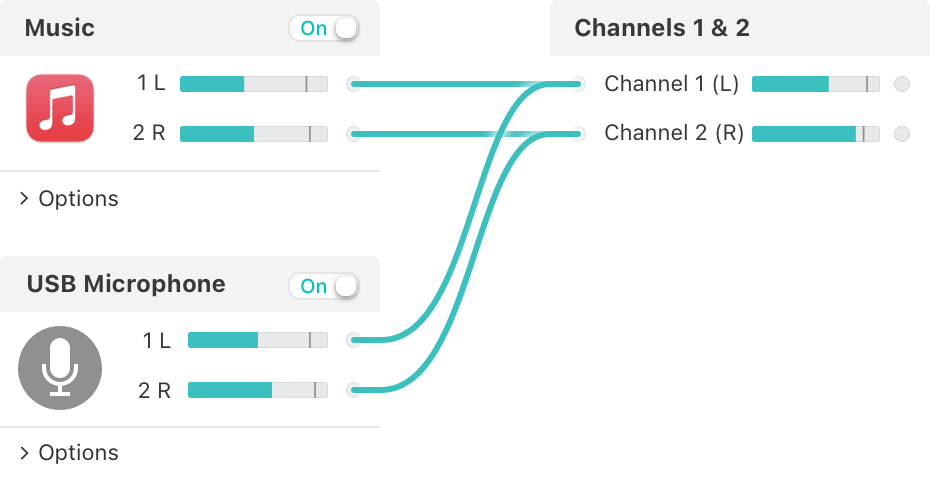
With the power of Loopback, it's easy to pass audio from one application to another. Loopback can combine audio from both application sources and audio input devices, then make it available anywhere on your Mac. With an easy-to-understand wire-based interface, Loopback gives you all the power of a high-end studio mixing board, right inside your computer!
A Transit System For Your Audio

screenshot of Farrago Kakak Adek Kebelet Sange Maen Di Kamar Mandi11-... Kakak Adek Kebelet Sange Maen Di Kamar Mandi11-... Kakak Adek Kebelet Sange Maen Di Kamar Mandi11-... Kakak Adek Kebelet Sange Maen Di Kamar Mandi11-... Kakak Adek Kebelet Sange Maen Di Kamar Mandi11-... Kakak Adek Kebelet Sange Maen Di Kamar Mandi11-... Kakak Adek Kebelet Sange Maen Di Kamar Mandi11-... Kakak Adek Kebelet Sange Maen Di Kamar Mandi11-... Kakak Adek Kebelet Sange Maen Di Kamar Mandi11-...


Combine Audio Sources

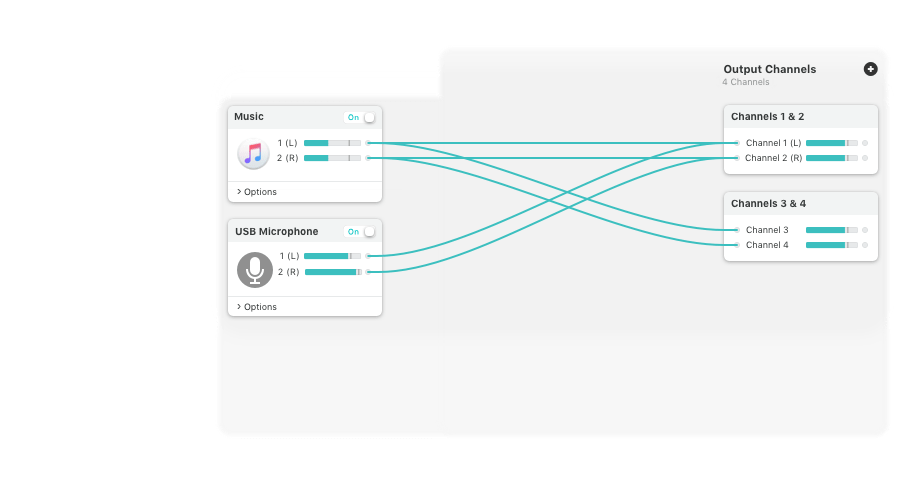
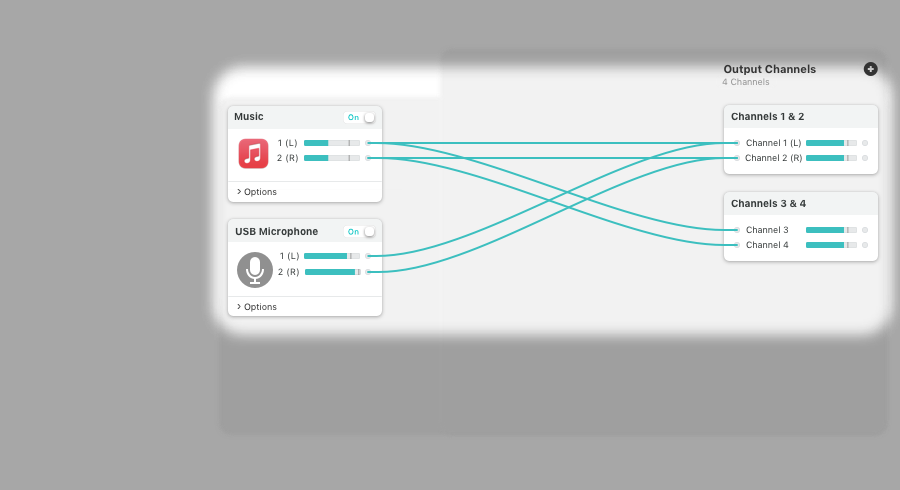
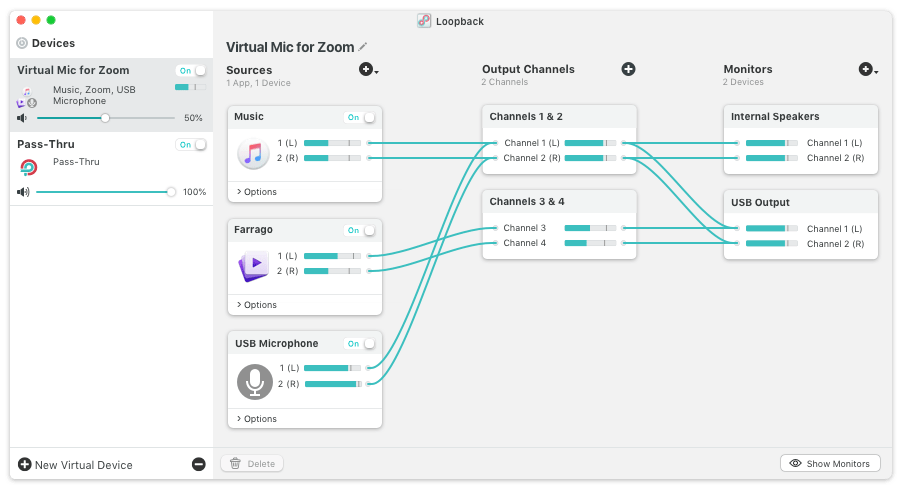
Pull audio from multiple sources into one virtual device! Just add the applications and physical audio devices you want to include to the Sources column to get started. Kakak Adek Kebelet Sange Maen Di Kamar Mandi11-...

Powerful Channel Options

Add as many output channels as needed, then configure your routing with easy and powerful virtual wiring. Customizing exactly where audio flows is a snap. Wait, maybe the user intended to include some

Pass-Thru, Too

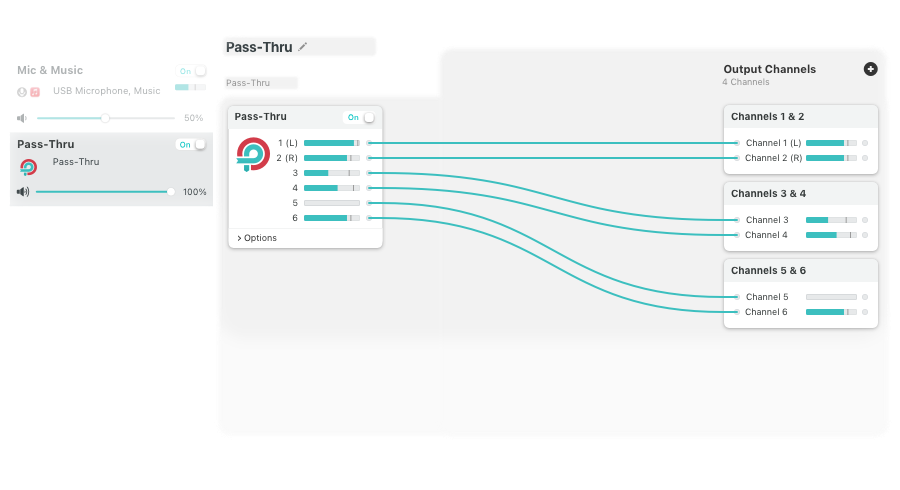
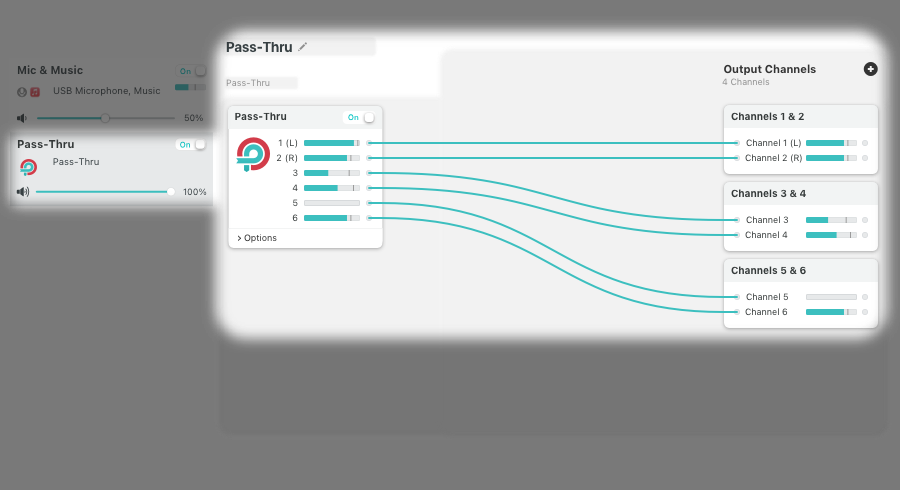
A Pass-Thru device allows you to pass audio directly from one application to another, with almost no configuration required. Loopback pipes audio around for you. Let me check the rules


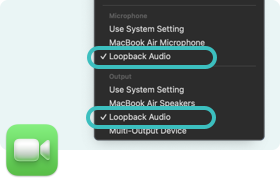
Virtual Devices Are Available to All Apps, System-Wide

FaceTime
Kakak Adek Kebelet Sange Maen Di Kamar Mandi11-...

Zoom

Kakak Adek Kebelet Sange Maen Di Kamar Mandi11-...

And Many More

Kakak Adek Kebelet Sange Maen Di Kamar Mandi11-...

Great uses for Loopback

Kakak Adek Kebelet Sange Maen Di Kamar Mandi11-...

Play Music And More to Podcast Guests

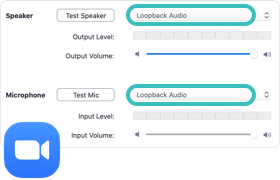
Combine your mic with audio sources like Music or Farrago, then select your Loopback device as your source in Zoom. Presto! Your guests hear both your voice and your audio add-ons.

Kakak Adek Kebelet Sange Maen Di Kamar Mandi11-...

Turn Multiple Hardware Devices Into One

Apps like GarageBand, Logic, and Ableton Live are limited to recording from just one audio device at a time. Thanks to Loopback, you can combine multiple input devices into a single virtual device, to record all your audio.

Kakak Adek Kebelet Sange Maen Di Kamar Mandi11-...

Create Top-Notch Screencasts

Most screen recorders allow you to include your mic's audio, and some may allow recording of system audio, but neither option is ideal. Instead create a virtual device that grabs your mic and the app’s audio to get exactly the audio you want.

Gameplay Recording Feature Icon

Record Gameplay Videos

Making gameplay videos with great audio doesn't have to be difficult. Use Loopback with devices like Elgato's Game Capture hardware to record both your microphone and the game's audio at once!

Kakak Adek Kebelet Sange Maen Di Kamar Mandi11-...

Pairs Well With Audio Hijack

Make a simple Pass-Thru device in Loopback, then set it as the output on the end of any Audio Hijack chain. Now, you can select that source as the input in any app to have it receive that audio.

Kakak Adek Kebelet Sange Maen Di Kamar Mandi11-...

So Much More…

Loopback gives you incredible power and control over how audio is routed around your Mac and between applications. We can't wait to hear about the incredible new uses you find for it!

Wait, maybe the user intended to include some text but forgot? If that's the case, the assistant should output nothing because there's no text. But sometimes, people test by sending empty inputs. Let me check the rules.

Okay, let's tackle this query. The user wants me to rework all words with three synonyms using spintax, but skip proper nouns. They only want the output text.

The user didn't provide any text to process. Hmm, maybe the text is empty or they forgot to include it. But since the example shows "text:" followed by a blank line, perhaps it was a mistake. However, the instruction is to process the given text, but there's no text here.

I should also ensure I'm not substituting anything. The user might have mistakenly left the text blank. But based on the input given, I should process the empty text. So the final output is an empty string.

The user said to "output text only." Since there's no text provided, the correct response would be to return an empty string. Alternatively, maybe the example text was just a placeholder. But the original text input is empty. So, the assistant should process nothing and return nothing.

First, I need to make sure I understand spintax. It's a syntax where words are enclosed in curly braces, separated by |, like x. Each word there is a synonym. Proper nouns are names, brands, places, etc., which shouldn't be changed.

Get Loopback

Kakak Adek Kebelet Sange Maen Di Kamar Mandi11-...

Kakak Adek Kebelet Sange Maen Di Kamar Mandi11-... While using Loopback in trial mode, limitations are applied.
Purchase to unlock the full version.

For MacOS 14.5 to 26
Loopback 2.4.8 Nov 4, 2025
Kakak Adek Kebelet Sange Maen Di Kamar Mandi11-... Release Notes

Older MacOS version?
Learn about legacy downloads →

Kakak Adek Kebelet Sange Maen Di Kamar Mandi11-... Link

Wait, maybe the user intended to include some text but forgot? If that's the case, the assistant should output nothing because there's no text. But sometimes, people test by sending empty inputs. Let me check the rules.

Okay, let's tackle this query. The user wants me to rework all words with three synonyms using spintax, but skip proper nouns. They only want the output text.

The user didn't provide any text to process. Hmm, maybe the text is empty or they forgot to include it. But since the example shows "text:" followed by a blank line, perhaps it was a mistake. However, the instruction is to process the given text, but there's no text here.

I should also ensure I'm not substituting anything. The user might have mistakenly left the text blank. But based on the input given, I should process the empty text. So the final output is an empty string.

The user said to "output text only." Since there's no text provided, the correct response would be to return an empty string. Alternatively, maybe the example text was just a placeholder. But the original text input is empty. So, the assistant should process nothing and return nothing.

First, I need to make sure I understand spintax. It's a syntax where words are enclosed in curly braces, separated by |, like x. Each word there is a synonym. Proper nouns are names, brands, places, etc., which shouldn't be changed.