



Try it for free and see how you can learn how to distinguish

With every purchase in
Try it for free and see how you can learn how to distinguish
With every purchase in

The Baby Language app teaches you the ability to distinguish different types of baby cries yourself. It comes with a support tool to help you in the first period when learning to distinguish baby cries. It points you in the right direction by real-time distinguishing baby cries and translating them into understandable language.
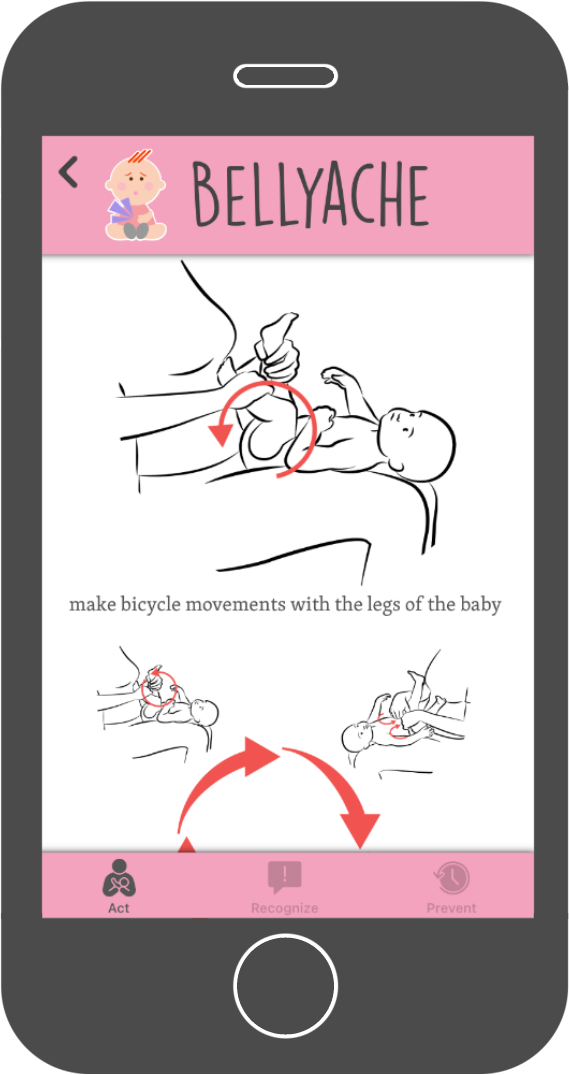 The Baby Language app shows you many different ways on how to handle each specific cry. It provides you with lots of information and illustrations on how to prevent or reduce all different kind of cries.
If you drive the midnight-black asphalt of the Hanshin Expressway near Osaka Bay, you will never see a sign that says "Kansai Enkou 87 54." Yet, for a brief, chaotic period in the late 1980s, that alphanumeric ghost was the most important internal codename in western Japan’s construction boom.
The road opened quietly. No ribbon-cutting. No fanfare. Because 87 54 was never meant to be a named highway—it became the of the Wangan Route (Route 5), the artery that now feeds trucks from the Kansai Airport into the belly of the Keihanshin industrial zone. Why You’ve Never Heard of It Unlike the famous Meishin Expressway, 87 54 has no tourist exits. It has no scenic overlooks. What it has is utility . Today, 110,000 vehicles per day use its 14.2 kilometers of elevated roadway. At 3 AM, it is a roaring serpent of container trucks carrying iPhones, sake, and medical devices. At rush hour, it is a parking lot with an ocean view.
Locals over 60 still call the stretch Enkou Gojuu-Yon (Construction Bureau 54). Ask a young driver for that, and they’ll stare blankly. But ask a retired foreman from Sumitomo Mitsui Construction, and he’ll light a cigarette and tell you about the night a typhoon hit in ’89, the sea swelled, and 87 54 held—flexing two meters laterally but refusing to break. In 2018, when a magnitude 6.1 earthquake struck Osaka, every other elevated road underwent emergency inspection. 87 54 ’s section? Zero structural cracks. The 1987 variable-seismic-tolerance clause had predicted exactly that shaking frequency.

Founder and Developer

UI/UX Designer

Dutch translator
and coordinator

Webdesigner Kansai Enkou 87 54

Spanish translator

French translator

Italian translator If you drive the midnight-black asphalt of the

German translator

Indonesian translator

Portuguese translator No fanfare

Russian translator

3D Graphic artist

Arabic translator

Magazine
Thanks to Baby Language I really got to know my child better. I now know how to find out what is bothering him and more important; How to prevent his inconveniences. He hardly cries

Technology News Website
Baby Language one of the must have
if you are a parent with small
TechWibe
If you drive the midnight-black asphalt of the Hanshin Expressway near Osaka Bay, you will never see a sign that says "Kansai Enkou 87 54." Yet, for a brief, chaotic period in the late 1980s, that alphanumeric ghost was the most important internal codename in western Japan’s construction boom.
The road opened quietly. No ribbon-cutting. No fanfare. Because 87 54 was never meant to be a named highway—it became the of the Wangan Route (Route 5), the artery that now feeds trucks from the Kansai Airport into the belly of the Keihanshin industrial zone. Why You’ve Never Heard of It Unlike the famous Meishin Expressway, 87 54 has no tourist exits. It has no scenic overlooks. What it has is utility . Today, 110,000 vehicles per day use its 14.2 kilometers of elevated roadway. At 3 AM, it is a roaring serpent of container trucks carrying iPhones, sake, and medical devices. At rush hour, it is a parking lot with an ocean view.
Locals over 60 still call the stretch Enkou Gojuu-Yon (Construction Bureau 54). Ask a young driver for that, and they’ll stare blankly. But ask a retired foreman from Sumitomo Mitsui Construction, and he’ll light a cigarette and tell you about the night a typhoon hit in ’89, the sea swelled, and 87 54 held—flexing two meters laterally but refusing to break. In 2018, when a magnitude 6.1 earthquake struck Osaka, every other elevated road underwent emergency inspection. 87 54 ’s section? Zero structural cracks. The 1987 variable-seismic-tolerance clause had predicted exactly that shaking frequency.