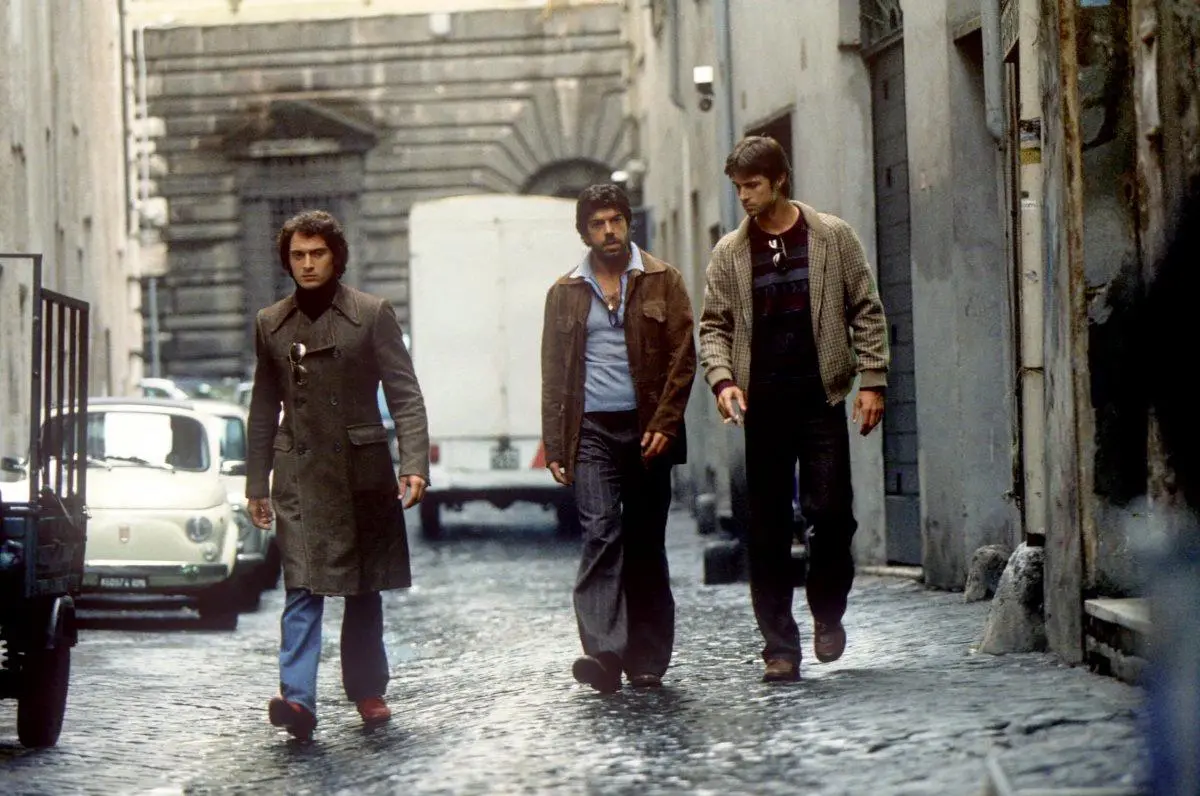
Four kids entertain themselves with daring adventures: during one of these, they steal a car, run over a policeman and escape to their hideout, a caravan on the dunes of Capocotta beach. Later in life, the four form a criminal gang with the aim of conquering Rome. Most of the film was shot in the neighbourhoods of Magliana, Garbatella, Trastevere and Monteverde.
The external façade of Patrizia’s brothel is villino Cirini, in via Ugo Bassi, Monteverde. Freddo’s brother and Roberta live in the same housing estate in Garbatella. The house of Terribile, which later becomes Lebanese’s, is Villa dell’Olgiata 2, in the area of Olgiata north of Rome, while Freddo lives in via Giuseppe Acerbi, in the Ostiense neighbourhood, not far from where Roberta’s car blows up in via del Commercio, in the shadow of the Gazometro.
Terribile is executed on the steps of Trinità dei Monti. Leaning on the rail overlooking the archaeologial ruins in largo Argentina, Lebanese and Carenza talk about the kidnap of Aldo Moro. The Church of Sant’Agostino where Roberta shows Freddo Caravaggio’s Madonna dei Pellegrini is the location for several key scenes in the film. Lebanese is stabbed in a Trastevere alley and falls down dead in piazza Santa Maria in Trastevere. The hunt for Gemito ends in a seafront villa in Marina di Ardea-Tor San Lorenzo, on the city’s southern shoreline, where he is murdered. Forced to hide, Freddo finds refuge in a farmhouse in Vicarello, hamlet of Bracciano. mt saint ursula scandal video
A scene which opens over the altare della Patria and the Fori Imperiali introduces the end of the investigation into Aldo Moro’s kidnap, followed by repertory images of the discovery of his body in via Caetani. The many real events included in the fictional tale include the bomb attack at the station of Bologna at 10:25 am, 2 August 1980: in the film, both Nero and Freddo are in Piazzale delle Medaglie d’Oro several seconds before the bomb explodes.
Commissioner Scaloja, who is investigating the gang, takes a fancy to Patrizia: they stroll near the Odescalchi Castle in Ladispoli. He finds out if his feelings are reciprocated when, several scenes later, he finds her in a state of confusion near Castel Sant’Angelo. In the digital age, the identity of an
Four kids entertain themselves with daring adventures: during one of these, they steal a car, run over a policeman and escape to their hideout, a caravan on the dunes of Capocotta beach. Later in life, the four form a criminal gang with the aim of conquering Rome. Most of the film was shot in the neighbourhoods of Magliana, Garbatella, Trastevere and Monteverde.
The external façade of Patrizia’s brothel is villino Cirini, in via Ugo Bassi, Monteverde. Freddo’s brother and Roberta live in the same housing estate in Garbatella. The house of Terribile, which later becomes Lebanese’s, is Villa dell’Olgiata 2, in the area of Olgiata north of Rome, while Freddo lives in via Giuseppe Acerbi, in the Ostiense neighbourhood, not far from where Roberta’s car blows up in via del Commercio, in the shadow of the Gazometro. The MT Saint Ursula video lifestyle and entertainment
Terribile is executed on the steps of Trinità dei Monti. Leaning on the rail overlooking the archaeologial ruins in largo Argentina, Lebanese and Carenza talk about the kidnap of Aldo Moro. The Church of Sant’Agostino where Roberta shows Freddo Caravaggio’s Madonna dei Pellegrini is the location for several key scenes in the film. Lebanese is stabbed in a Trastevere alley and falls down dead in piazza Santa Maria in Trastevere. The hunt for Gemito ends in a seafront villa in Marina di Ardea-Tor San Lorenzo, on the city’s southern shoreline, where he is murdered. Forced to hide, Freddo finds refuge in a farmhouse in Vicarello, hamlet of Bracciano.
A scene which opens over the altare della Patria and the Fori Imperiali introduces the end of the investigation into Aldo Moro’s kidnap, followed by repertory images of the discovery of his body in via Caetani. The many real events included in the fictional tale include the bomb attack at the station of Bologna at 10:25 am, 2 August 1980: in the film, both Nero and Freddo are in Piazzale delle Medaglie d’Oro several seconds before the bomb explodes.
Commissioner Scaloja, who is investigating the gang, takes a fancy to Patrizia: they stroll near the Odescalchi Castle in Ladispoli. He finds out if his feelings are reciprocated when, several scenes later, he finds her in a state of confusion near Castel Sant’Angelo.
Copyright: Warner Bros
Claudio Santamaria, Pierfrancesco Favino, Kim Rossi Stuart
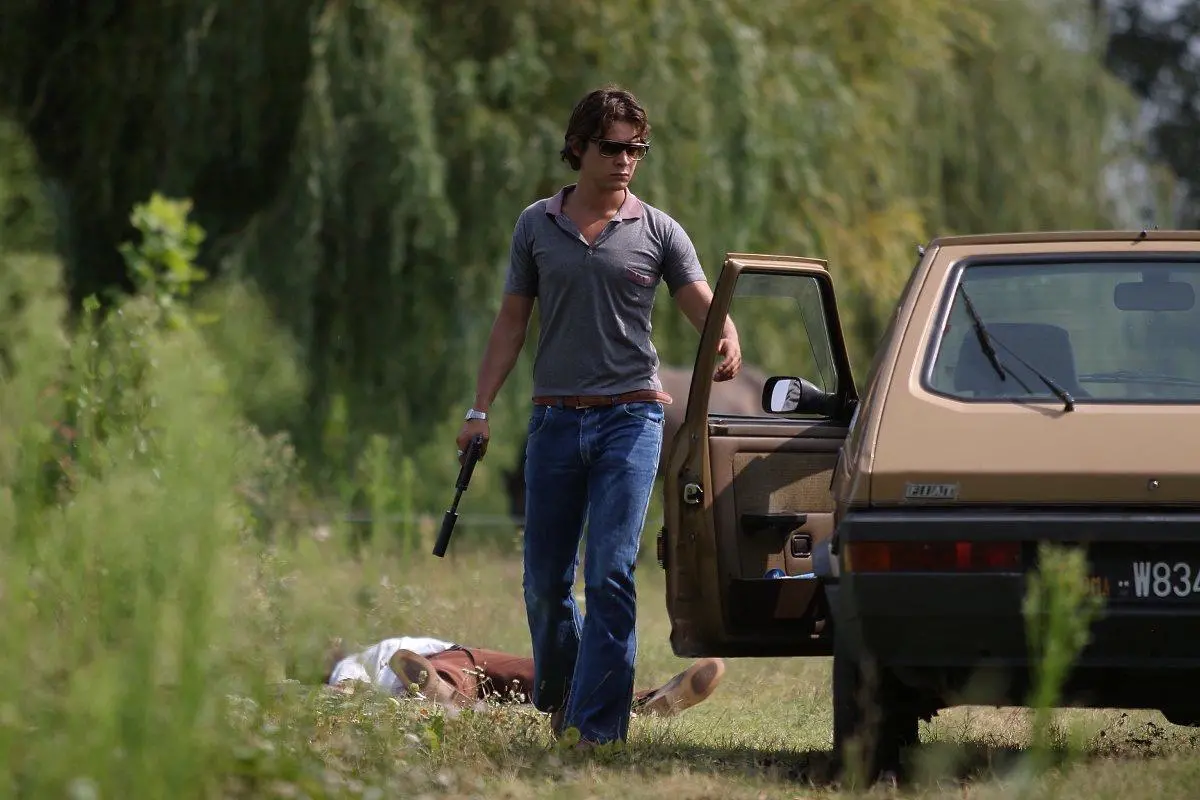
Copyright: Warner Bros
Riccardo Scamarcio
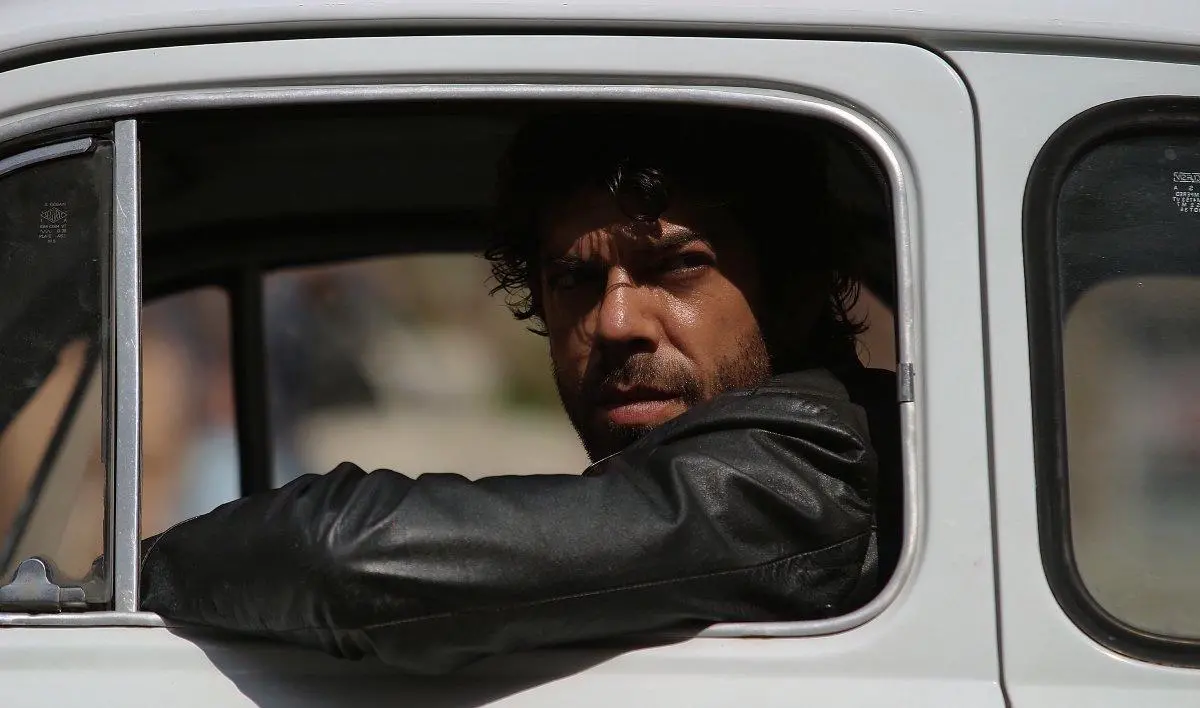
Copyright: Warner Bros
Pierfrancesco Favino
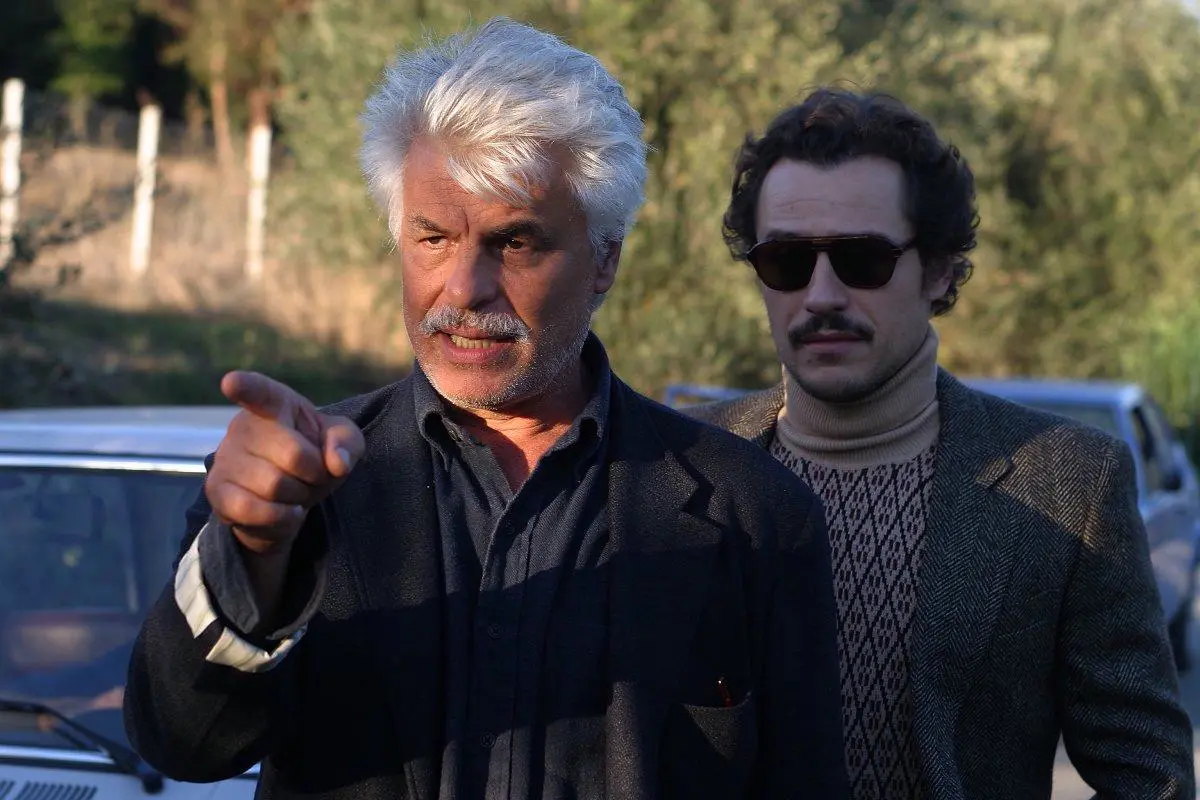
Copyright: Warner Bros
Michele Placido, Stefano Accorsi
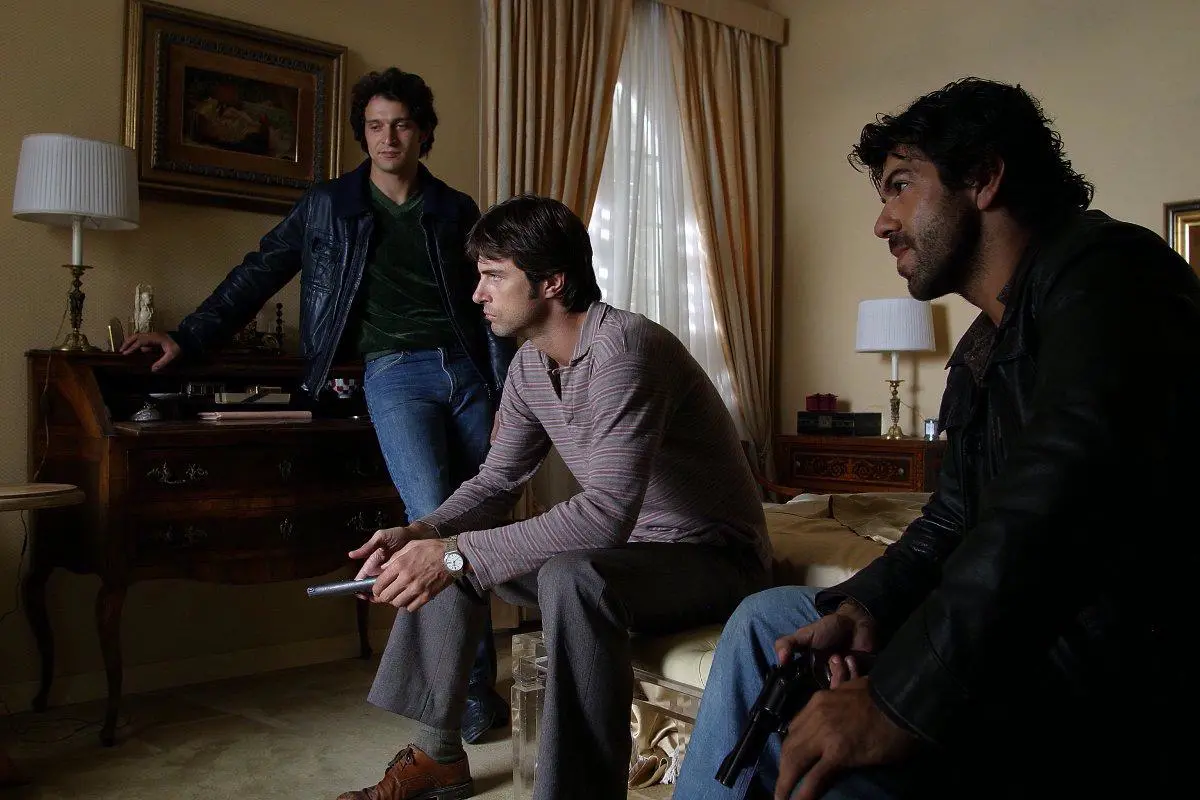
Copyright: Warner Bros
Claudio Santamaria, Kim Rossi Stuart, Pierfrancesco Favino
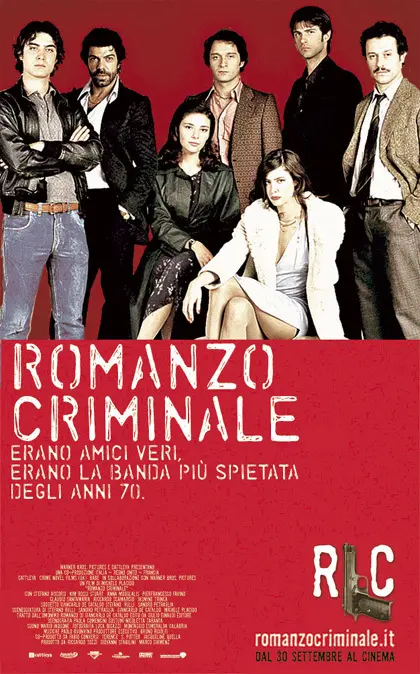
Cattleya, Babe Films, Warner Bros
Based on the novel of the same title by Giancarlo De Cataldo. The activities of the “Banda della Magliana” and its successive leaders (Libanese, Freddo, Dandi) unfold over twenty-five years, intertwining inextricably with the dark history of atrocities, terrorism and the strategy of tension in Italy, during the roaring 1980’s and the Clean Hands (Mani Pulite) era.
In the digital age, the identity of an educational institution is no longer defined solely by its academic rankings or the ivy on its walls. For MT Saint Ursula (often abbreviated as MTSU or simply "Ursula"), the narrative has shifted dramatically. While the school remains a pillar of academic excellence and spiritual growth, a quiet revolution has been brewing—not in the library, but in the editing suite. The MT Saint Ursula video lifestyle and entertainment ecosystem has emerged as a powerful cultural force, transforming how students document their lives, express their creativity, and consume content. The Vlog Takeover: A Day in the Life Walk through the hallways of MT Saint Ursula between classes, and you’ll spot it: the ubiquitous smartphone on a gimbal, the ring light clipped to a locker, and a student narrating their "Day in the Life" directly into a lens. The school’s video lifestyle isn't just extracurricular; it’s woven into the daily rhythm.
So the next time you see a video tagged #MTSUrsula or #UrsulaLifestyle, don’t scroll past. Watch closely. You aren’t just seeing a teenager talking into a phone. You are seeing the future of school culture: collaborative, creative, and always recording.
Yet, for the most part, the MT Saint Ursula video lifestyle has been a net positive. It teaches technical skills, collaborative production, and digital citizenship. It turns a Catholic all-girls school (with a co-ed elementary, depending on the campus location) from an insular community into a global storyteller. MT Saint Ursula is no longer just a place of learning; it is a living, breathing production studio. The students are the directors, the actors, and the audience. The hallways are the sets, and the bell schedule is the runtime. In this world, lifestyle and entertainment are not separate from education—they are the medium through which education is experienced and shared.
Entertainment-wise, the line between spectator and participant has blurred. Students no longer just attend the spring musical; they film behind-the-scenes rehearsal vlogs. They don’t just cheer at the volleyball game; they livestream the final serve with commentary. The event is the content, and the content becomes the event. Of course, this lifestyle has its critics. Some parents and faculty worry about screen fatigue and the pressure to perform. Is every lunch period a potential shoot? Does a student study harder or pose for the camera? The school has addressed this by implementing "No Phone Zones" in certain study halls and chapel, ensuring that video culture does not override the mission of contemplation and scholarship.
Students have formed informal "crews" — camera operators, scriptwriters, and editors — who collaborate during free periods. There is even a burgeoning "Ursula Video Code" of ethics: always ask before filming someone studying, never post a video of a student crying without their consent, and always tag the school’s official account. The video lifestyle has tangible effects. The school’s admissions office reports that the #1 reason cited by prospective families for applying is "the school’s vibrant and modern culture," which they discovered via a student-made video. Summer orientation now includes a "Video Literacy" workshop, teaching incoming freshmen how to represent themselves and the school responsibly online.
Student vloggers have turned the mundane into the mesmerizing. A typical "MTSU Morning Routine" video garners thousands of views across TikTok, Instagram Reels, and YouTube Shorts. These are not just vanity projects; they are aspirational blueprints. Viewers watch as students navigate the historic hallways in their tailored uniforms, grab a coffee from the student-run café, and debate theology or calculus in sun-drenched study lounges. The aesthetic is distinct: warm lighting, candid laughter, and a soundtrack of lo-fi beats or trending audio snippets. This video-first lifestyle has made MT Saint Ursula a "school of interest" for prospective students who see their future reflected in these polished, yet relatable, digital diaries. Beyond personal vlogs, the school’s official entertainment arm has embraced video with professional fervor. The "Ursula Entertainment Network" (UEN)—a student-led media club—has become the most popular organization on campus. Their weekly show, "Ursula Unfiltered," blends college-style sketch comedy with high school relatability.
In the digital age, the identity of an educational institution is no longer defined solely by its academic rankings or the ivy on its walls. For MT Saint Ursula (often abbreviated as MTSU or simply "Ursula"), the narrative has shifted dramatically. While the school remains a pillar of academic excellence and spiritual growth, a quiet revolution has been brewing—not in the library, but in the editing suite. The MT Saint Ursula video lifestyle and entertainment ecosystem has emerged as a powerful cultural force, transforming how students document their lives, express their creativity, and consume content. The Vlog Takeover: A Day in the Life Walk through the hallways of MT Saint Ursula between classes, and you’ll spot it: the ubiquitous smartphone on a gimbal, the ring light clipped to a locker, and a student narrating their "Day in the Life" directly into a lens. The school’s video lifestyle isn't just extracurricular; it’s woven into the daily rhythm.
So the next time you see a video tagged #MTSUrsula or #UrsulaLifestyle, don’t scroll past. Watch closely. You aren’t just seeing a teenager talking into a phone. You are seeing the future of school culture: collaborative, creative, and always recording.
Yet, for the most part, the MT Saint Ursula video lifestyle has been a net positive. It teaches technical skills, collaborative production, and digital citizenship. It turns a Catholic all-girls school (with a co-ed elementary, depending on the campus location) from an insular community into a global storyteller. MT Saint Ursula is no longer just a place of learning; it is a living, breathing production studio. The students are the directors, the actors, and the audience. The hallways are the sets, and the bell schedule is the runtime. In this world, lifestyle and entertainment are not separate from education—they are the medium through which education is experienced and shared.
Entertainment-wise, the line between spectator and participant has blurred. Students no longer just attend the spring musical; they film behind-the-scenes rehearsal vlogs. They don’t just cheer at the volleyball game; they livestream the final serve with commentary. The event is the content, and the content becomes the event. Of course, this lifestyle has its critics. Some parents and faculty worry about screen fatigue and the pressure to perform. Is every lunch period a potential shoot? Does a student study harder or pose for the camera? The school has addressed this by implementing "No Phone Zones" in certain study halls and chapel, ensuring that video culture does not override the mission of contemplation and scholarship.
Students have formed informal "crews" — camera operators, scriptwriters, and editors — who collaborate during free periods. There is even a burgeoning "Ursula Video Code" of ethics: always ask before filming someone studying, never post a video of a student crying without their consent, and always tag the school’s official account. The video lifestyle has tangible effects. The school’s admissions office reports that the #1 reason cited by prospective families for applying is "the school’s vibrant and modern culture," which they discovered via a student-made video. Summer orientation now includes a "Video Literacy" workshop, teaching incoming freshmen how to represent themselves and the school responsibly online.
Student vloggers have turned the mundane into the mesmerizing. A typical "MTSU Morning Routine" video garners thousands of views across TikTok, Instagram Reels, and YouTube Shorts. These are not just vanity projects; they are aspirational blueprints. Viewers watch as students navigate the historic hallways in their tailored uniforms, grab a coffee from the student-run café, and debate theology or calculus in sun-drenched study lounges. The aesthetic is distinct: warm lighting, candid laughter, and a soundtrack of lo-fi beats or trending audio snippets. This video-first lifestyle has made MT Saint Ursula a "school of interest" for prospective students who see their future reflected in these polished, yet relatable, digital diaries. Beyond personal vlogs, the school’s official entertainment arm has embraced video with professional fervor. The "Ursula Entertainment Network" (UEN)—a student-led media club—has become the most popular organization on campus. Their weekly show, "Ursula Unfiltered," blends college-style sketch comedy with high school relatability.