- or $119 if paid with crypto -
Buy for MetaTrader 4- or buy from MQL5 App Store - Niribili Pdf LINK Download
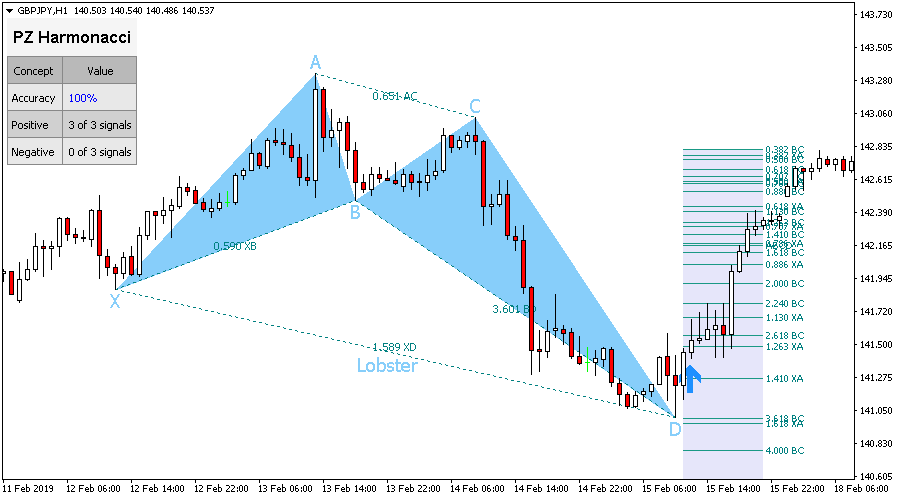
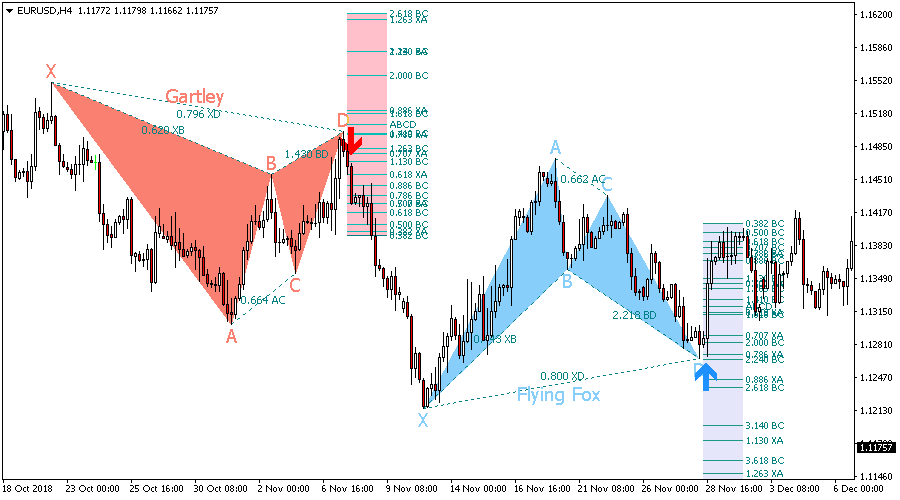
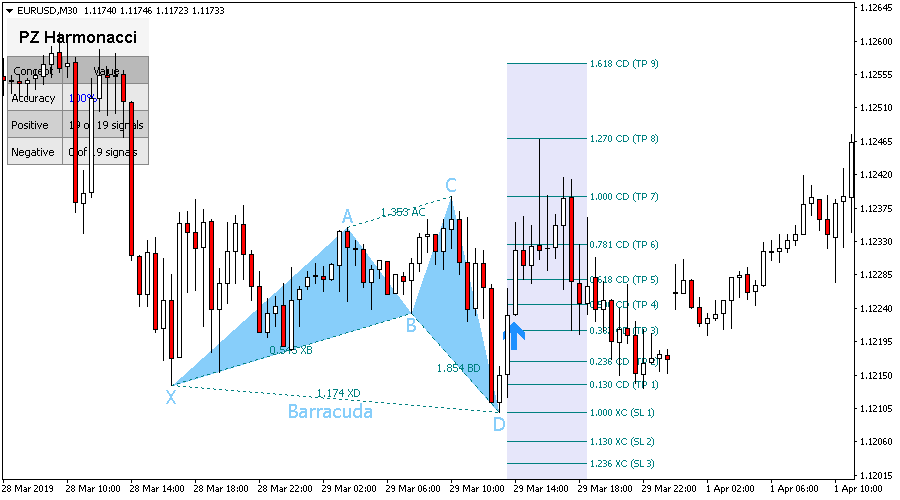
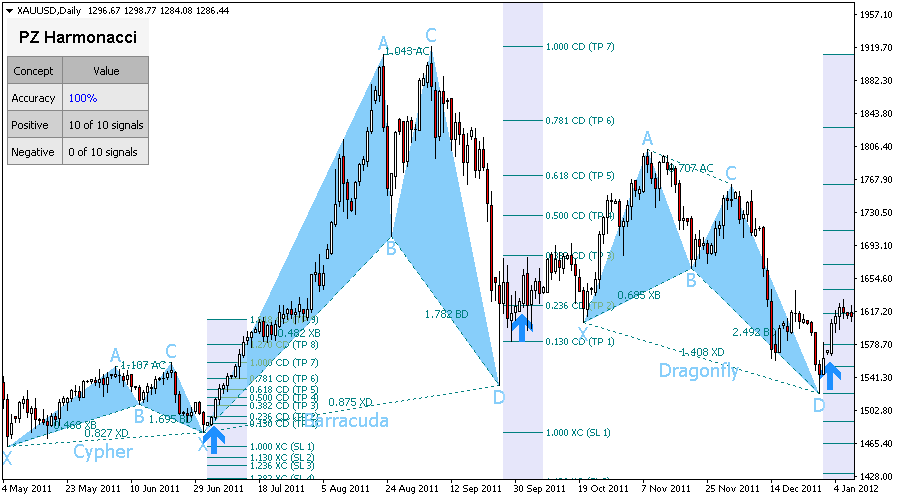
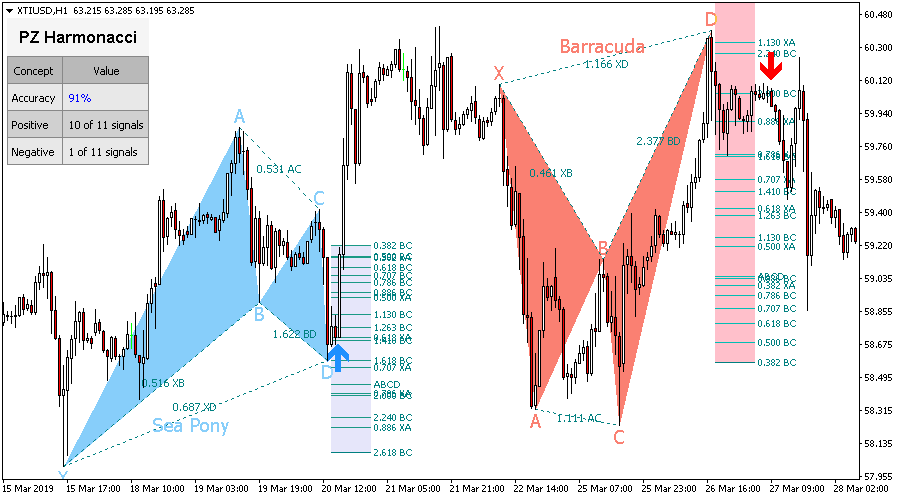
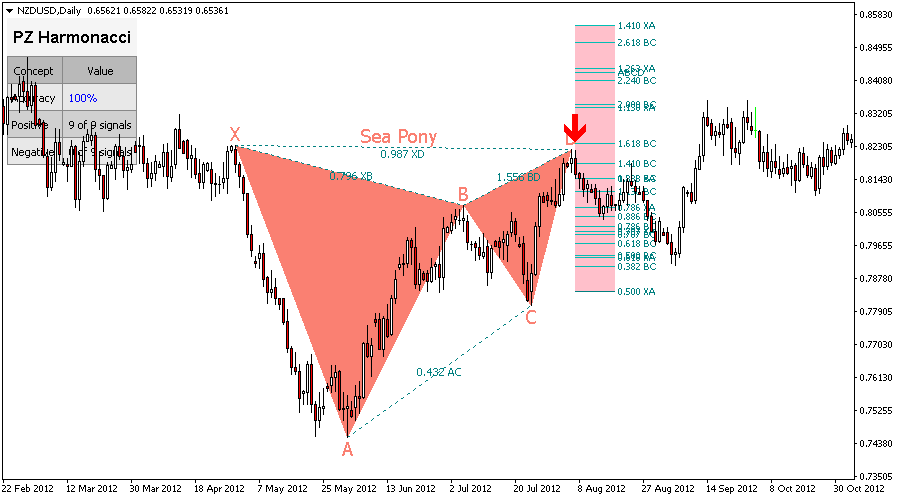
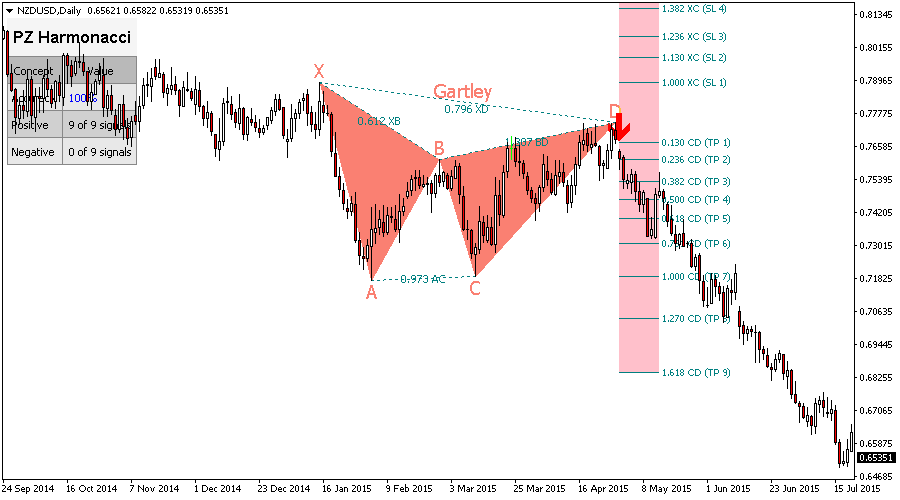
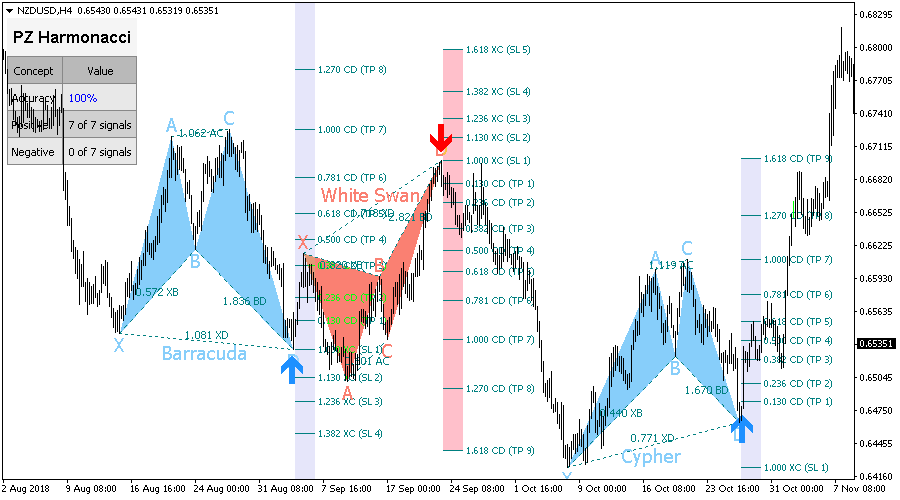
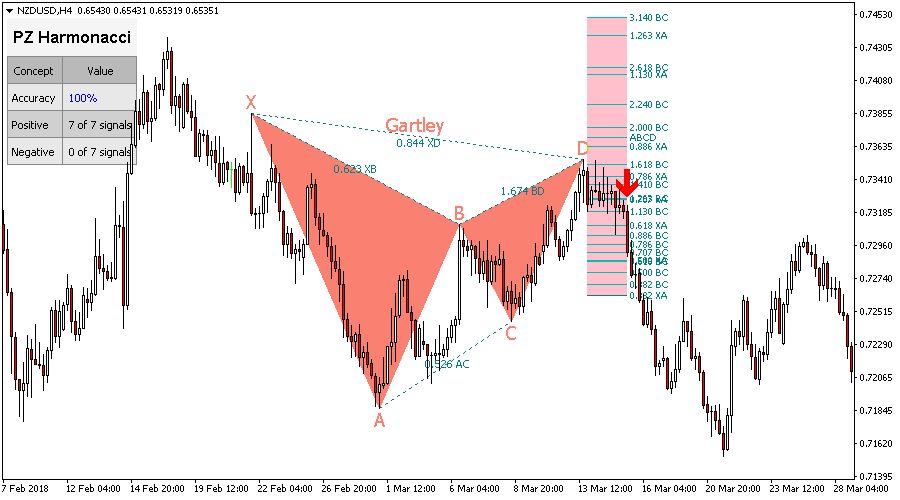
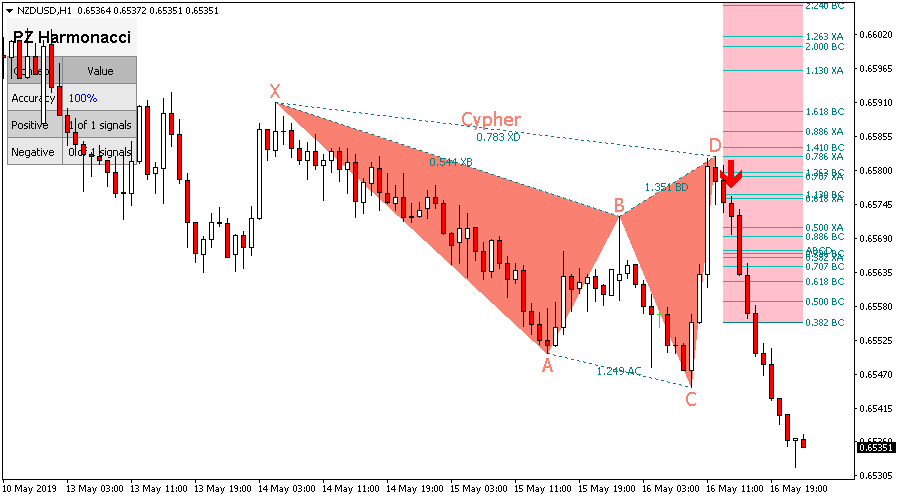
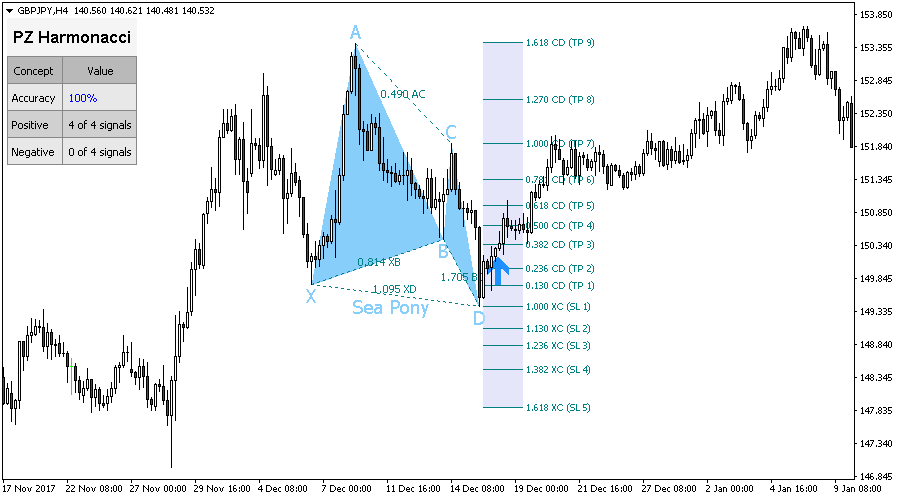
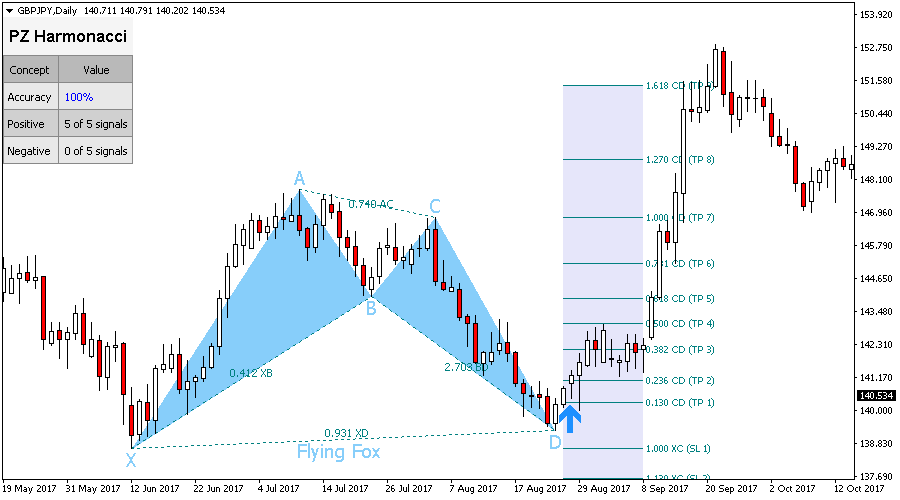
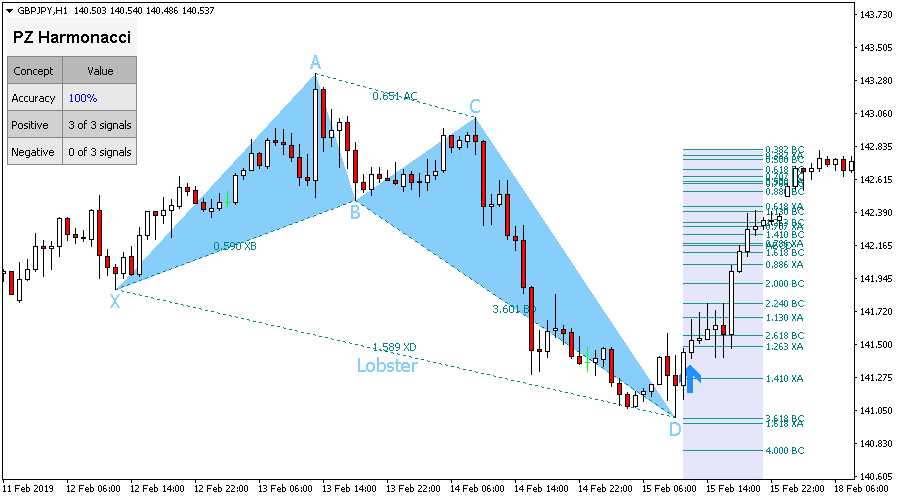
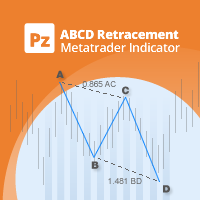
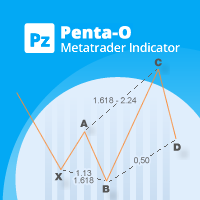
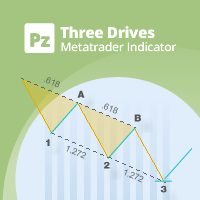
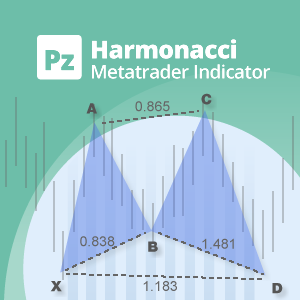
For MetaTrader 4 For MetaTrader 5If you're tired of chasing trades and second-guessing chart noise, this tool flips the script. Harmonacci Patterns does the heavy lifting: it hunts down 19 powerful harmonic price formations, draws the key reversal zones, and signals the breakout only when the setup makes sense. When she finally finished, she drafted a paper
When she finally finished, she drafted a paper of her own, citing Niribili and acknowledging the Institute of Comparative Mythology for making the work accessible through legitimate channels. She submitted her manuscript to a peer‑reviewed journal, grateful that the path she chose—one that respected intellectual property—had led her not only to the knowledge she sought but also to a network of scholars who valued ethical sharing. Months later, Maya received an invitation to a symposium on narrative theory, where Professor Liao was a keynote speaker. He praised the recent surge in interest in Niribili , noting that “the manuscript’s impact has grown precisely because it was shared responsibly—through libraries, interlibrary loans, and open‑access initiatives.”
When Maya first heard about Niribili , it was whispered in the dimly‑lit corners of a university coffee shop. A fellow graduate student, eyes wide with excitement, described it as “the lost manuscript that could change the way we think about narrative structure.” The title alone— Niribili —felt like a secret password, an invitation to a world of hidden knowledge.
She logged back in, navigated to the “My Documents” section, and finally, with a click, the PDF opened—its first page a crisp title page, the name Niribili elegantly centered, a faint watermark of the institute’s crest in the corner. Maya spent the next several evenings absorbed in the manuscript. Niribili turned out to be a groundbreaking comparative study that traced narrative threads across cultures—from the ancient epics of Mesopotamia to modern graphic novels. It argued that stories are not isolated artifacts but part of a vast, interwoven tapestry—a concept that resonated with Maya’s own research on transmedia storytelling.
Maya, a literature major with a penchant for digital sleuthing, decided she would find it. She imagined herself as a modern‑day Indiana Jones, only instead of a whip she carried a laptop, and instead of ancient maps she relied on search engines, library catalogs, and the occasional cryptic forum post. Her first clue came from an old blog dated back to 2012. The author, a self‑declared “archivist of the obscure,” wrote: “If you’re looking for the PDF of Niribili , check the university repository of the Institute of Comparative Mythology. It was uploaded by Professor Liao after his lecture series in 2010.” Maya typed the institute’s name into her browser, navigated to the official website, and found a polished portal to their digital repository. A quick search for “Niribili” returned a single entry: Niribili: A Study of Interwoven Mythic Forms . The record listed the authors, an abstract, and—most importantly—a note that the full text was “available to affiliated members and via interlibrary loan for external users.”
Maya felt a rush of triumph. The treasure was there, but it was guarded by a digital gate. Because she was not a member of the institute, Maya’s first attempt to download the PDF resulted in a polite error message: “Access restricted to authorized users.” She recalled a lecture from her information science class: when a resource is locked behind a paywall or institutional login, the ethical path is to seek legitimate access rather than hunting for rogue links.
Axi is a globally regulated broker offering tight spreads, a wide range of instruments, segregated client funds, and full support for algorithmic traders.
Trade forex, indices, commodities, stocks, and crypto with raw spreads, lightning-fast execution, and leverage of up to 1:1000.
By trading your account, you are participating in Axi's free capital allocation program, which can fund you with up to $1,000,000. All you need is a $500 live account and to complete 20 trades to become eligible.
Good one. Better than all other indicators you have.
Very accurate signals.
I’m a veteran and have seen a lot of garbage, but this is by far one of the most useful tools I’ve come across. I rarely leave reviews, but this one truly deserves it.
The Harmonic Pattern tool works best on higher timeframes. With the right setup and patience, it delivers great signals. Support is quick and helpful.
I’ve used this indicator for 7 months. It’s extremely helpful and has made a noticeable difference in my results. I never trade without it anymore.
PZ indicators truly deliver. My Harmonics tool gave me 81% return in month one. Now my wife trades with them too. Just great tools!
PZ Harmonnaci is easy to use and has great customization options. It’s not a signal generator, but a perfect strategy companion.
PZ Harmonic changed my trading. I earned over 100 pips in just four days while keeping risk low. Finally enjoying my trades!
Bought the Harmonic indicator, placed two trades the first night, and gained 40 pips on each. So far, it’s looking very promising.
When she finally finished, she drafted a paper of her own, citing Niribili and acknowledging the Institute of Comparative Mythology for making the work accessible through legitimate channels. She submitted her manuscript to a peer‑reviewed journal, grateful that the path she chose—one that respected intellectual property—had led her not only to the knowledge she sought but also to a network of scholars who valued ethical sharing. Months later, Maya received an invitation to a symposium on narrative theory, where Professor Liao was a keynote speaker. He praised the recent surge in interest in Niribili , noting that “the manuscript’s impact has grown precisely because it was shared responsibly—through libraries, interlibrary loans, and open‑access initiatives.”
When Maya first heard about Niribili , it was whispered in the dimly‑lit corners of a university coffee shop. A fellow graduate student, eyes wide with excitement, described it as “the lost manuscript that could change the way we think about narrative structure.” The title alone— Niribili —felt like a secret password, an invitation to a world of hidden knowledge.
She logged back in, navigated to the “My Documents” section, and finally, with a click, the PDF opened—its first page a crisp title page, the name Niribili elegantly centered, a faint watermark of the institute’s crest in the corner. Maya spent the next several evenings absorbed in the manuscript. Niribili turned out to be a groundbreaking comparative study that traced narrative threads across cultures—from the ancient epics of Mesopotamia to modern graphic novels. It argued that stories are not isolated artifacts but part of a vast, interwoven tapestry—a concept that resonated with Maya’s own research on transmedia storytelling.
Maya, a literature major with a penchant for digital sleuthing, decided she would find it. She imagined herself as a modern‑day Indiana Jones, only instead of a whip she carried a laptop, and instead of ancient maps she relied on search engines, library catalogs, and the occasional cryptic forum post. Her first clue came from an old blog dated back to 2012. The author, a self‑declared “archivist of the obscure,” wrote: “If you’re looking for the PDF of Niribili , check the university repository of the Institute of Comparative Mythology. It was uploaded by Professor Liao after his lecture series in 2010.” Maya typed the institute’s name into her browser, navigated to the official website, and found a polished portal to their digital repository. A quick search for “Niribili” returned a single entry: Niribili: A Study of Interwoven Mythic Forms . The record listed the authors, an abstract, and—most importantly—a note that the full text was “available to affiliated members and via interlibrary loan for external users.”
Maya felt a rush of triumph. The treasure was there, but it was guarded by a digital gate. Because she was not a member of the institute, Maya’s first attempt to download the PDF resulted in a polite error message: “Access restricted to authorized users.” She recalled a lecture from her information science class: when a resource is locked behind a paywall or institutional login, the ethical path is to seek legitimate access rather than hunting for rogue links.