



金翔•掌握核心技术
高拍仪科技-让你看到更高清的世界1秒快速扫描
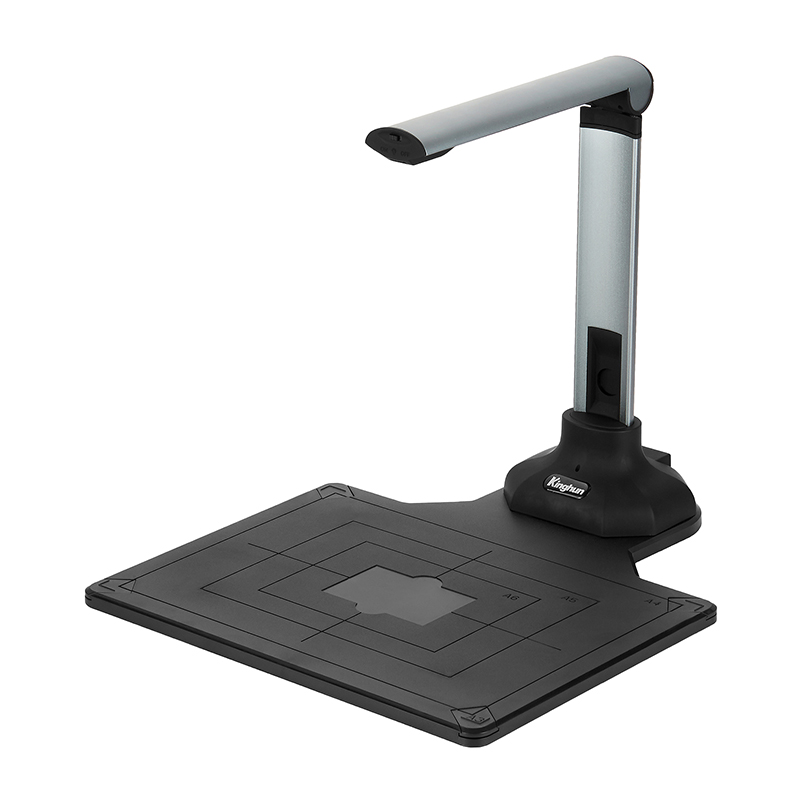
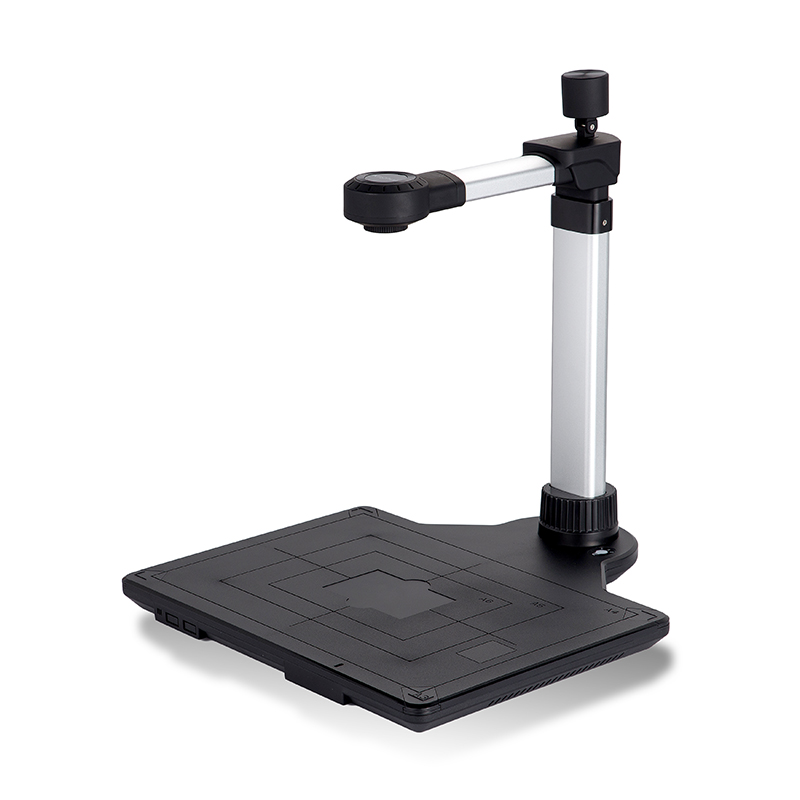
金翔高拍仪快速扫描,文件票据1秒搞定,轻巧便捷易携带
金翔高拍仪设计为便携式,小巧玲珑,扫描内容转化文档
金翔高拍仪扫描速度快,同时支持将支持二次开发SDK
可根据企业或者个人不同的行业需求



金翔品质•匠心智造
绿色低碳办公用品-高效环保高拍仪采用CMOS光学传感器
数码摄像方式对需要存档的对象转换为电子档或无噪音耗能低
金翔高拍仪设备在降噪技术上采用USB数据传输和供强大的集合功能
金翔高拍仪集合了复印、打印、传真、拍摄、投可折叠拆卸 占空间小
金翔高拍仪精致小巧,可折叠拆卸,放桌面就可金翔可根据用户的要求专门提供您专用的高拍仪产品
定制热线: 立即咨询
立即咨询
金翔•公司介绍
重质量 讲信誉 树品牌东莞市伍鸿电子科技有限公司
金翔高拍仪品牌提供商The poem describes eyes that are "like a calm spring" but also "restless." This duality is crucial. Calm water suggests resignation—the acceptance of a permanent state of sadness. Yet, the restlessness implies that grief is active; it moves, erodes, and flows without end. Unlike a river that empties into the sea, the tears in Ollos de auga have no outlet. They are a closed, internal ocean. Rosalía uses this imagery to critique the romantic ideal of "crying as a cure." Here, crying does not heal; it simply is .
To understand Ollos de auga , one must understand saudade —a deep, untranslatable emotional state of nostalgic longing for something or someone that may never return. Rosalía de Castro is the high priestess of saudade . In this poem, the eyes are not simply crying; they are water. This fusion implies that sadness is not an occasional emotion but the very essence of the speaker’s being. The PDF version of her collected works often places this poem within Follas Novas (1880), a collection written after personal tragedy and disillusionment, where water becomes a central leitmotif. Ollos De Auga Pdf
Beyond personal grief, scholars argue that Ollos de auga reflects the situation of Galicia itself. Galicia, a rainy, green region in northwest Spain, was historically marginalized and silenced. The "eyes of water" represent the collective tears of a land that has lost its language and autonomy to Castilian dominance. The constant dripping of the water mirrors the slow erosion of a forgotten culture. Thus, the poem transforms from a simple love lament into a political elegy for a submerged nation. The poem describes eyes that are "like a
Introduction: The Paradox of the Title At first glance, the phrase Ollos de auga (Eyes of Water) suggests clarity, purity, and life. Water is the source of existence. However, in the hands of Rosalía de Castro (1837–1885), a foundational figure of the Galician Rexurdimento (Renaissance), this image transforms into a vessel for melancholy, longing, and existential sorrow. This essay analyzes how Ollos de auga uses the liquid motif not as a symbol of joy, but as a metaphor for the perpetual, unstoppable nature of grief and the Galician identity. Unlike a river that empties into the sea,
金翔•实力见证品质
多年来在光电影像工作平台的研发及革新领域取得了突破性的进展
研发实力
专业技术人员专注研发高拍仪,不断创新, 已经获得书籍高拍仪BK1800外观专利等多项高拍仪外观专利证书。
技术实力
团队人员多年致力于高拍仪开发,将技术的延伸性和先进性有机结合,形成真正可靠稳定的技术优势。
品牌实力
金翔“kinghun®”光电品牌系列,为众多客户提供数据图文化、信息化全套专业、卓越服务。
售后服务
一对一专业客服售后,快速响应,以专业的态度与知识为您提供完善、高效的服务。The poem describes eyes that are "like a calm spring" but also "restless." This duality is crucial. Calm water suggests resignation—the acceptance of a permanent state of sadness. Yet, the restlessness implies that grief is active; it moves, erodes, and flows without end. Unlike a river that empties into the sea, the tears in Ollos de auga have no outlet. They are a closed, internal ocean. Rosalía uses this imagery to critique the romantic ideal of "crying as a cure." Here, crying does not heal; it simply is .
To understand Ollos de auga , one must understand saudade —a deep, untranslatable emotional state of nostalgic longing for something or someone that may never return. Rosalía de Castro is the high priestess of saudade . In this poem, the eyes are not simply crying; they are water. This fusion implies that sadness is not an occasional emotion but the very essence of the speaker’s being. The PDF version of her collected works often places this poem within Follas Novas (1880), a collection written after personal tragedy and disillusionment, where water becomes a central leitmotif.
Beyond personal grief, scholars argue that Ollos de auga reflects the situation of Galicia itself. Galicia, a rainy, green region in northwest Spain, was historically marginalized and silenced. The "eyes of water" represent the collective tears of a land that has lost its language and autonomy to Castilian dominance. The constant dripping of the water mirrors the slow erosion of a forgotten culture. Thus, the poem transforms from a simple love lament into a political elegy for a submerged nation.
Introduction: The Paradox of the Title At first glance, the phrase Ollos de auga (Eyes of Water) suggests clarity, purity, and life. Water is the source of existence. However, in the hands of Rosalía de Castro (1837–1885), a foundational figure of the Galician Rexurdimento (Renaissance), this image transforms into a vessel for melancholy, longing, and existential sorrow. This essay analyzes how Ollos de auga uses the liquid motif not as a symbol of joy, but as a metaphor for the perpetual, unstoppable nature of grief and the Galician identity.

金翔高拍仪-让智能实现无纸化办公
全国服务热线:
地址:广东省东莞市虎门镇怀德松岗工业区一路2号3栋502室伍鸿电子有限公司

焦先生

李先生
© 2026 — Clear Eastern Network