Build confidence, precision, and consistency — with the most advanced practice app for musicians. The app trusted by Broadway musicians, Juilliard students, and teachers worldwide.
Trusted by
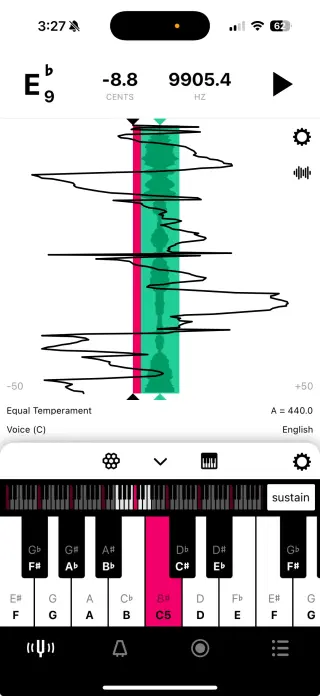
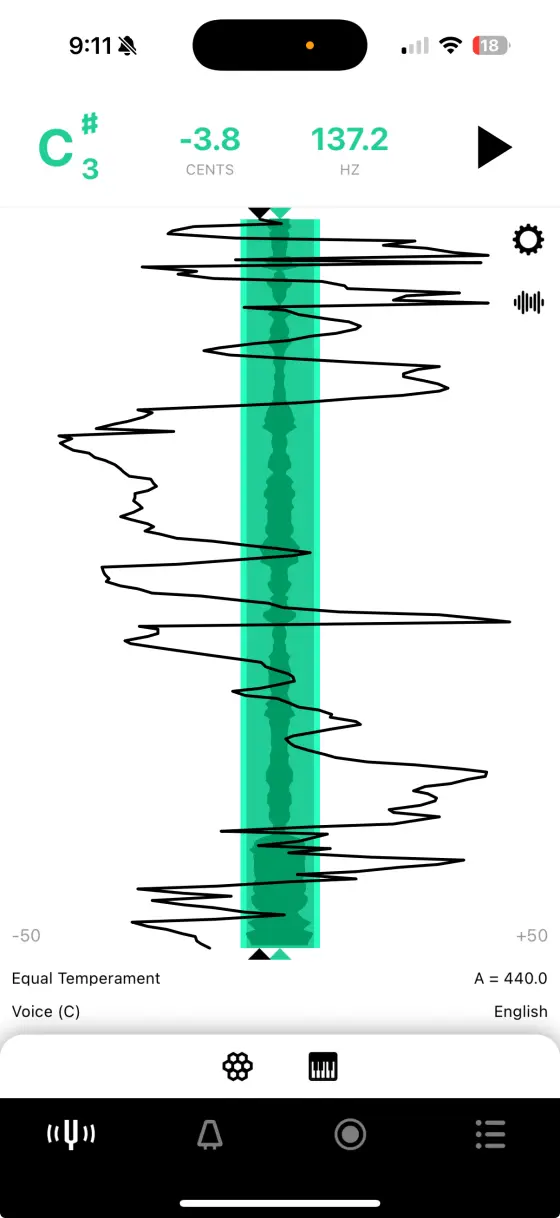
Tunable works with any instrument, from piccolo to tuba, guitar to voice. See every note in perfect clarity with Sustained Pitch History™ and detailed intonation analysis. Perfect for beginners and professionals alike.
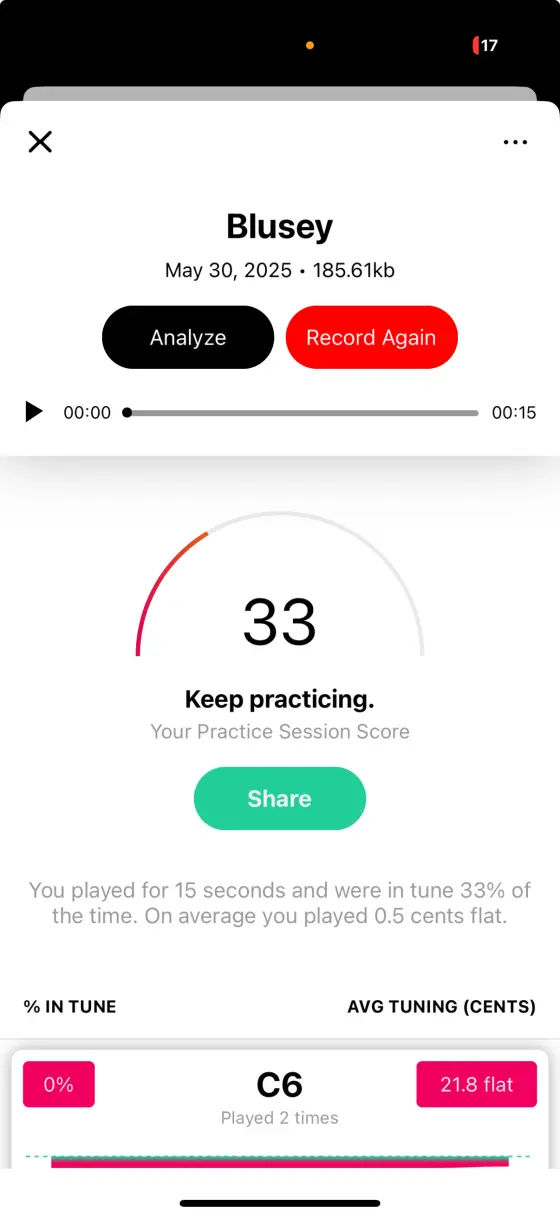
Track your practice sessions with detailed analytics and Practice Score™. See your improvement over time and identify areas that need more attention. Perfect for teachers and students alike. palmistry 99 science pdf
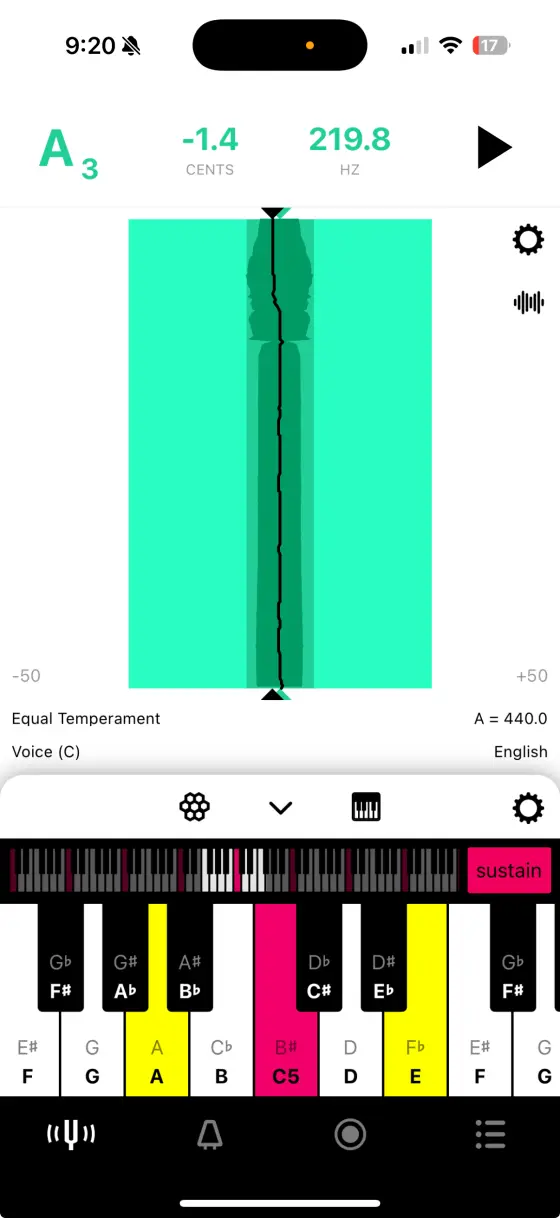
Use the tone and chord generator to improve your intonation. Sustain notes and chords to hear the difference between them and play along them to train your ear. Zhang, Y
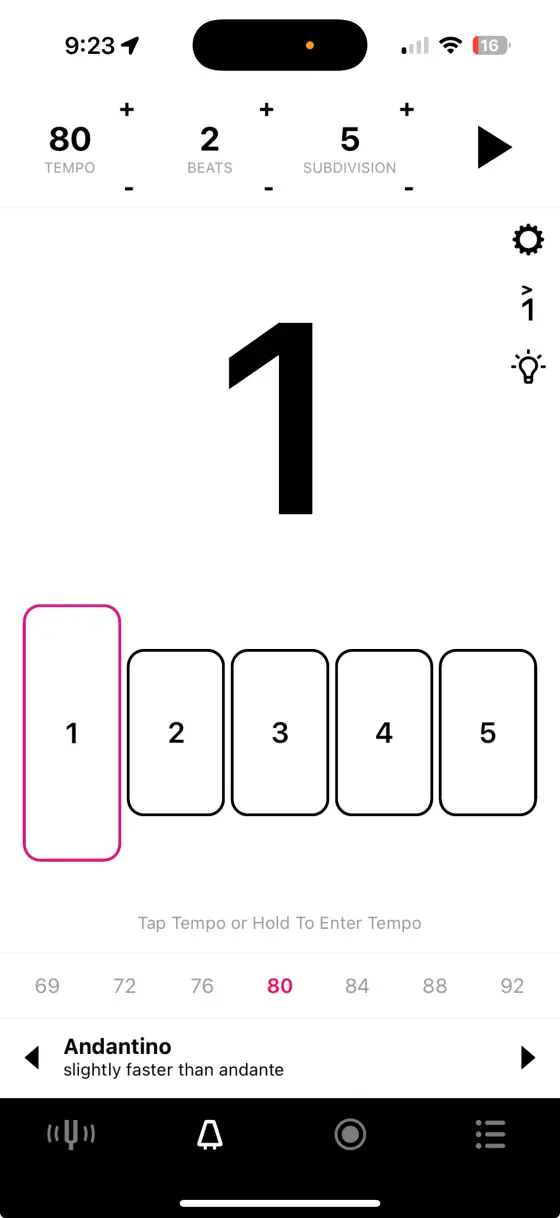
Use the advanced visual metronome with precise and multi-device synchronization* to keep time; perfect for individual and ensemble practice. Neuropsychologia, 142, 107273
Capture your performances to share, improve, or listen to. Add studio-quality reverb and share recordings with teachers or review your progress. Perfect for audition prep.
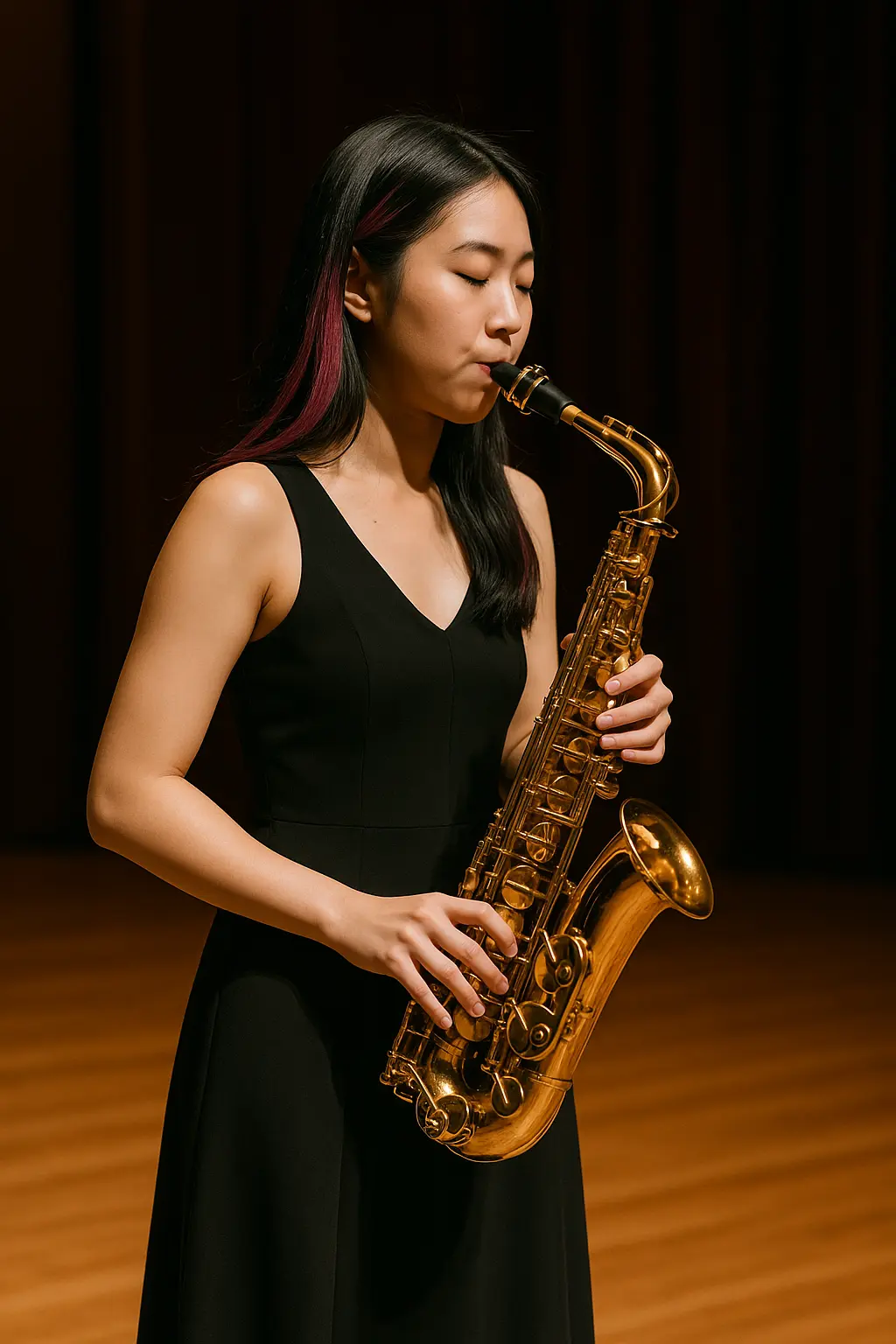
Tunable grows with you. Start as a beginner, develop your skills, and join the ranks of professionals who rely on Tunable every day.
Build confidence with practice feedback and clear visual cues
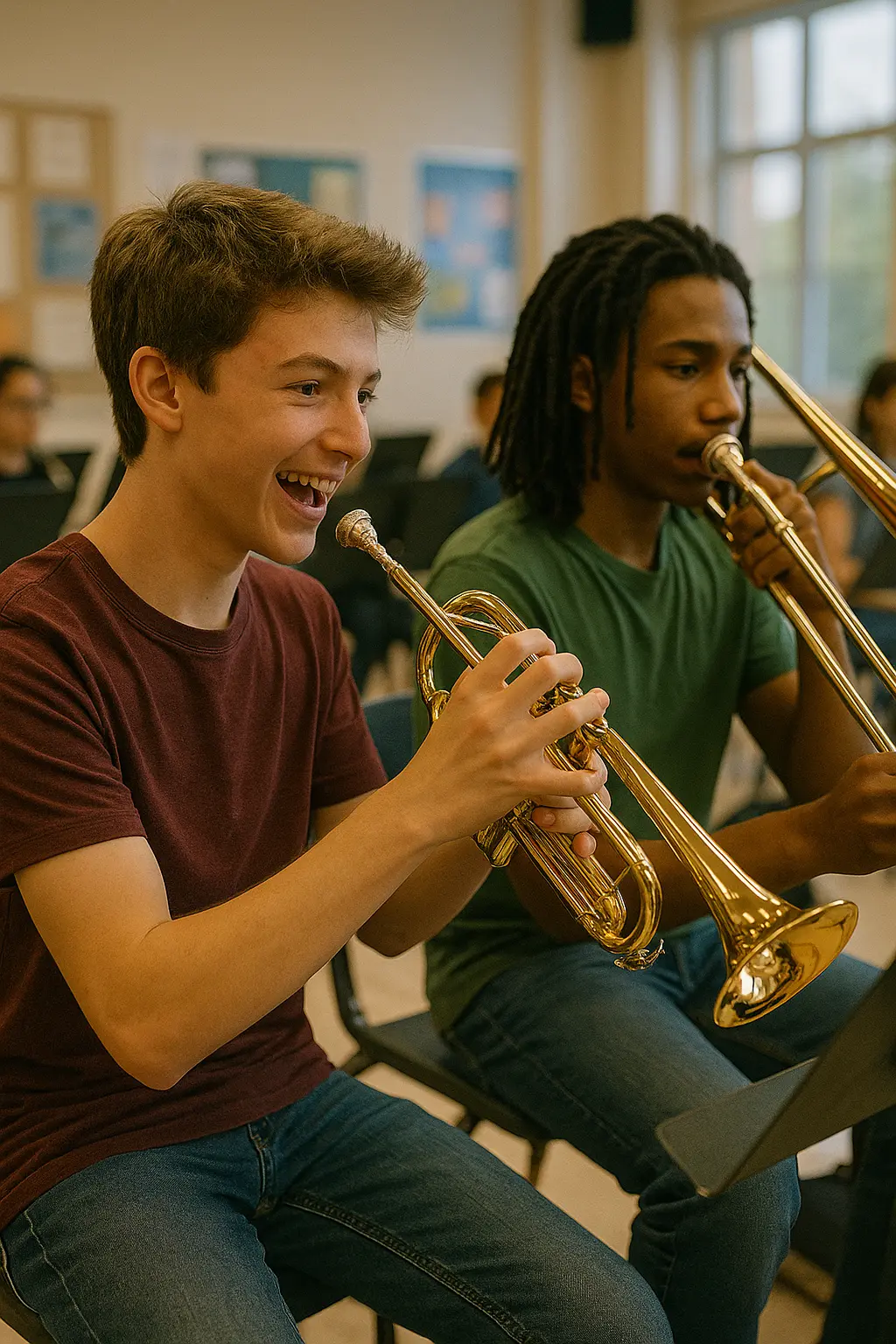
Broadway musicians and Juilliard students trust Tunable for precision
Share recordings and track student progress with detailed analytics
Zhang, Y., Zhang, J., & Li, Q. (2020). The relationship between palmistry and cognitive abilities. Neuropsychologia, 142, 107273.
Palmistry, also known as chiromancy, is the practice of analyzing the lines and patterns on an individual's palms to gain insight into their personality, behavior, and future. While palmistry has been widely practiced across cultures, its scientific basis has been subject to skepticism. Recent studies have employed advanced statistical analysis and imaging techniques to investigate the relationship between palmistry and various psychological and physiological traits.
Research has also explored the relationship between palmistry and physiological traits, such as cardiovascular health and cognitive abilities. A study found that individuals with a higher number of palmar creases tended to have increased blood pressure and cardiovascular risk (Kumar et al., 2019). Another study reported a correlation between the length of the "head line" (a line extending from the index finger to the edge of the palm) and cognitive abilities, such as memory and attention (Zhang et al., 2020).
In conclusion, while palmistry has been regarded as a form of divination, recent scientific studies have begun to uncover potential correlations between palmistry and various psychological and physiological traits. However, further research is necessary to establish the validity and reliability of palmistry as a scientific discipline. By exploring the scientific basis of palmistry, researchers may uncover new insights into human behavior, cognition, and physiology.
(Please replace the link with an actual file that can be shared)
Studies have investigated the relationship between palmistry and personality traits, such as extraversion, neuroticism, and conscientiousness. One study found that individuals with a "long" life line (a line extending from the base of the thumb to the edge of the palm) tended to exhibit higher levels of conscientiousness and agreeableness (Jiang et al., 2018). Another study reported a correlation between the presence of a "simian crease" (a single palmar crease) and increased creativity (Kalmann et al., 2017).

Zhang, Y., Zhang, J., & Li, Q. (2020). The relationship between palmistry and cognitive abilities. Neuropsychologia, 142, 107273.
Palmistry, also known as chiromancy, is the practice of analyzing the lines and patterns on an individual's palms to gain insight into their personality, behavior, and future. While palmistry has been widely practiced across cultures, its scientific basis has been subject to skepticism. Recent studies have employed advanced statistical analysis and imaging techniques to investigate the relationship between palmistry and various psychological and physiological traits.
Research has also explored the relationship between palmistry and physiological traits, such as cardiovascular health and cognitive abilities. A study found that individuals with a higher number of palmar creases tended to have increased blood pressure and cardiovascular risk (Kumar et al., 2019). Another study reported a correlation between the length of the "head line" (a line extending from the index finger to the edge of the palm) and cognitive abilities, such as memory and attention (Zhang et al., 2020).
In conclusion, while palmistry has been regarded as a form of divination, recent scientific studies have begun to uncover potential correlations between palmistry and various psychological and physiological traits. However, further research is necessary to establish the validity and reliability of palmistry as a scientific discipline. By exploring the scientific basis of palmistry, researchers may uncover new insights into human behavior, cognition, and physiology.
(Please replace the link with an actual file that can be shared)
Studies have investigated the relationship between palmistry and personality traits, such as extraversion, neuroticism, and conscientiousness. One study found that individuals with a "long" life line (a line extending from the base of the thumb to the edge of the palm) tended to exhibit higher levels of conscientiousness and agreeableness (Jiang et al., 2018). Another study reported a correlation between the presence of a "simian crease" (a single palmar crease) and increased creativity (Kalmann et al., 2017).

Join millions of musicians who practice with confidence. Download Tunable and discover what you're truly capable of.