$user_id = $_SESSION['user_id']; $order_id = (int)$_GET['order_id']; $stmt = $pdo->prepare("SELECT * FROM orders WHERE id = ? AND user_id = ?"); $stmt->execute([$order_id, $user_id]); Don’t expose id=1 . Use a public lookup key:
// orders.php?order_id=123 $order = $db->query("SELECT * FROM orders WHERE id = " . $_GET['order_id']); No user validation. No session check. Now any logged‑in user (or even a bot) can cycle through order_id=1,2,3… and steal order details, names, addresses, and phone numbers. 1. Never Trust User Input Always validate that the logged‑in user owns the record they’re trying to access.
Here’s a blog post based on your title . Since the title is a bit fragmented, I’ve interpreted it as a post about a common security vulnerability in PHP shopping systems (where ID=1 in a URL exposes data). If you meant something else, let me know and I’ll adjust it. PHP ID 1 Shopping-: Why Exposing Sequential IDs in Your E‑commerce Site Is a Security Risk If you’ve ever built a PHP shopping cart or browsed an online store, you’ve probably seen URLs like: https://yourstore.com/product.php?id=1
At first glance, it seems harmless – just a way to fetch product #1. But for attackers, seeing id=1 is an invitation to try id=2 , id=3 , or worse, id=999 . This is called an vulnerability, and it’s surprisingly common in PHP shopping systems. The Problem with “ID=1” in Shopping Carts Imagine your product page works like this:
$user_id = $_SESSION['user_id']; $order_id = (int)$_GET['order_id']; $stmt = $pdo->prepare("SELECT * FROM orders WHERE id = ? AND user_id = ?"); $stmt->execute([$order_id, $user_id]); Don’t expose id=1 . Use a public lookup key:
// orders.php?order_id=123 $order = $db->query("SELECT * FROM orders WHERE id = " . $_GET['order_id']); No user validation. No session check. Now any logged‑in user (or even a bot) can cycle through order_id=1,2,3… and steal order details, names, addresses, and phone numbers. 1. Never Trust User Input Always validate that the logged‑in user owns the record they’re trying to access. Php Id 1 Shopping-
Here’s a blog post based on your title . Since the title is a bit fragmented, I’ve interpreted it as a post about a common security vulnerability in PHP shopping systems (where ID=1 in a URL exposes data). If you meant something else, let me know and I’ll adjust it. PHP ID 1 Shopping-: Why Exposing Sequential IDs in Your E‑commerce Site Is a Security Risk If you’ve ever built a PHP shopping cart or browsed an online store, you’ve probably seen URLs like: https://yourstore.com/product.php?id=1 $_GET['order_id']); No user validation
At first glance, it seems harmless – just a way to fetch product #1. But for attackers, seeing id=1 is an invitation to try id=2 , id=3 , or worse, id=999 . This is called an vulnerability, and it’s surprisingly common in PHP shopping systems. The Problem with “ID=1” in Shopping Carts Imagine your product page works like this: But for attackers
Die aktuelle Version der cobra CRM-App finden Sie im jeweiligen App-Store zum kostenlosen Download. Testen Sie hier alle wichtigen Funktionen für Ihren Außendienst. Profitieren Sie von der maximalen Flexibilität der nativen, mobilen CRM-Anwendungen. Greifen Sie auf Kunden-, Projekt- und Vertriebsinformationen zu, nutzen Sie die in cobra CRM abgespeicherten Datensätze und eröffnen Sie mit den CRM-Apps von cobra neue Wege der Kommunikation mit Ihren Kunden. So werden beispielsweise auch Bilder oder Unterschriften über die App aufgenommen und entsprechend weitergeleitet.



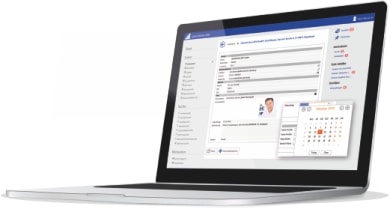
Nutzen Sie die CRM-Apps oder die Web Edition von cobra CRM überall – im Zug, im Auto, im Hotel oder als Gast bei Ihren Kunden. Profitieren Sie von optimaler Vorbereitung und kürzester Reaktionsfähigkeit. Alles, was Sie benötigen, sind ein Smartphone, Tablet oder Laptop sowie eine Internetverbindung. Das ist mobiles CRM in Perfektion.
Übrigens: Die cobra LEAD APP gibt es ebenfalls als Download.
Unabhängig von Ihrem Endgerät und Betriebssystem greifen Sie mit der cobra CRM Web Edition über das Internet auf Ihre cobra CRM-Daten zu.