Okinawa-kenpo is a karate style which has been developed based on ancient Okinawan martial arts called "Ti". Its technique and thought were studied and refined by a Tomari-te master, Shinkichi Kuniyoshi (also known as "BUSHI" Kuniyoshi) and passed down to Grand Master Shigeru Nakamura, the founder of Okinawa-kenpo. Grand Master Nakamura opened his own dojo "Okinawa-kenpo Karate-do Shurenjo" at Onaka, Nago city and taught his art of karate.
Written in Japanese.
Japanese fonts required to view this contents
"Okinawa-kenpo" was founded by Grand Master Shigeru Nakamura in 1960 as an association of diverse dojos based on his belief "there is no Ryuha in Okinawa karate".
Participation to a competition in Kyushu as "The All Japan karate-do Federation, Okinawa District" was how it all started. Nakamura felt how strong Japanese karate organization was at the competition and worried about the future of Okinawa karate.
Then, he appealed to all karate-ka in Okinawa for participating to the movement of "Okinawa-kenpo".
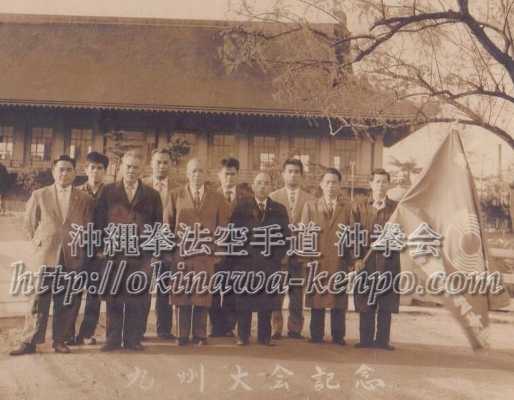
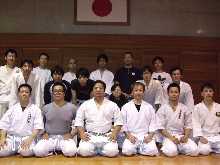
Upper row (left to right): 2nd from left, Komei Tsuha,Hiroshi Miyazato, Toshimitsu Kina
Bottom row (left to right): 2nd from left, Shigeru Nakamura, Shinsuke Kaneshima, Zenryo Shimabukuro
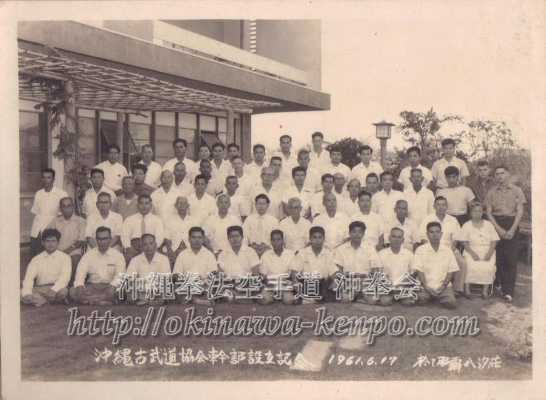
Upper row (left to right): (3rd from left) Kamaichi Nohara, Shinei Kaneshima, Tatsuo Shimabuku, (10th from left) Masami Chinen, Zenryo Shimabukuro
Middle row (left to right): (3rd from left) Shinei Kyan, Shosei Kina, Shinsuke Kaneshima, Seitoku Higa, (8th from left) Seiyu Nakasone, Kenko Nakaima
Bottom row (left to right): Hiroshi Miyazato, Komei Tsuha, (9th from left) Shigeru Nakamura, Joen Nakazato
In June 17, 1961, karate masters from all over Okinawa gathered at Yashio-so, Naha city. At this meeting, they had a discussion about the unification of Okinawa karate and finally came to endorse it (Establishing of Okinawa Kobudo Kyokai).
After Nakamura's passing, the group fell apart. However, Okinawa karate advanced to an era of great development.
Each karate style goes on its own way, and Okinawa-kenpo has become the name of the style which was taught and practiced by the students of Grand Master Nakamura.
Various Ryuha participated in the movement of "Okinawa-kenpo".
Mostly, they were from "The All Japan karate-do Federation, Okinawa District" and "Okinawa Kobudo Kyokai". Exchange of techniques was widely performed among them.
After the death of Nakamura, Okinawa-kenpo was divided into several groups.
Each group inherited Nakamura's will and techniques and developed Okinawa-kenpo in their own way.
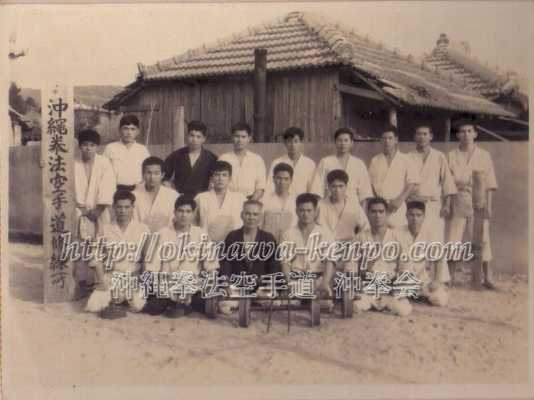
Bottom row, 3rd from left, Grand master Shigeru Nakamura, Shihan-dai Hiroshi Miyazatoo, Toshimitsu Kina
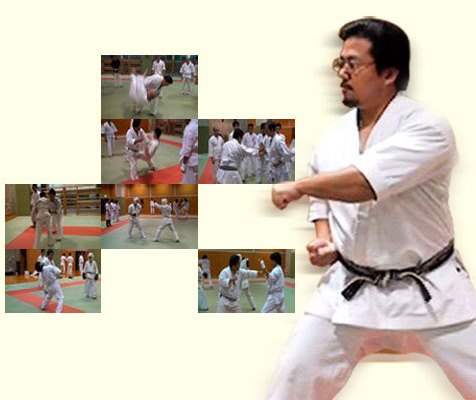
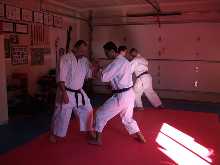
Old style karate techniques and training methods still remain in our system. We train with those methods, which are rarely seen in other Ryuha these days.
Tanren-hou (Training method)
Okinawa-sumo (traditional Okinawan wrestling)
Torite (grabbing)
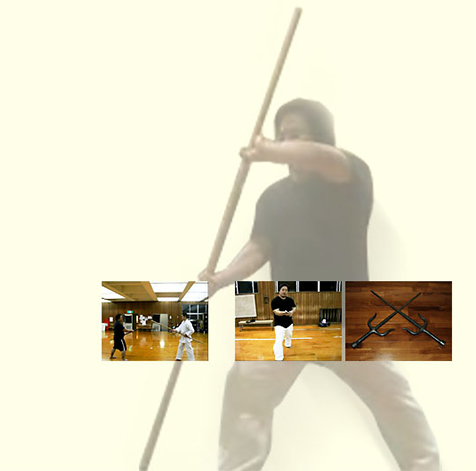
Buki-jutsu (weapons)
Our techniques, from empty hands to weapons,are incorporated in a coherent system and consist of common basic skills.
Historically, Okinawa-kenpo inherited various Kata.
The following is a list of kata which are practiced at Okinawa-kenpo Karate-do, Oki-ken-kai
Karate
Weapons
In conclusion, “Regedit for PC Free Fire” is largely a myth perpetuated by inexperienced gamers and clickbait content creators. While the Registry Editor is a powerful administrative tool, it is not a gaming utility. The few legitimate tweaks it offers (like disabling certain animations) yield marginal gains and carry serious risks. For 99% of players, optimizing the emulator and Windows settings is safer, easier, and more effective. Remember: no Registry key can replace good hardware or fair play. The real secret to winning in Free Fire is practice, strategy, and a stable connection—not diving into the dark corners of your operating system.
More critically, editing the Registry is dangerous for inexperienced users. Unlike a simple settings menu, Regedit has no “undo” button. One wrong deletion—for instance, removing a key tied to your USB drivers or network configuration—can cause system crashes, application failures, or force you to reinstall Windows entirely. Some malicious “Free Fire Regedit files” shared online contain scripts that damage Windows or install malware. Therefore, the risk-to-reward ratio is heavily skewed. For a casual player seeking a few extra frames, the potential of bricking their PC is not worth it. Regedit For Pc Free Fire
First, it is essential to understand what Regedit actually does. The Windows Registry is a massive, hierarchical database that stores low-level settings for the operating system and installed applications. It controls everything from desktop wallpaper to boot times. When a player searches for “Regedit for Free Fire,” they are typically looking for ways to allocate more CPU cores, prioritize graphics processing, or disable Windows features that slow down emulation. For example, some guides suggest editing keys like ProcessorPerformance or changing GPU preferences under HKEY_LOCAL_MACHINE . In theory, these changes could reduce background processes, giving an emulator like Gameloop more resources to run Free Fire smoothly. In conclusion, “Regedit for PC Free Fire” is
However, understanding the user intent, the following essay addresses the myth , the reality , and the safe alternatives regarding Registry edits for optimizing PC performance for Free Fire . In the competitive world of Garena Free Fire , players are constantly searching for an edge—smoother gameplay, faster aiming, and lag-free matches. For PC gamers using emulators, this search often leads to a mysterious tool built into Windows: the Registry Editor, or “Regedit.” Whispers on forums and YouTube videos promise that tweaking the Registry can unlock hidden FPS (frames per second), reduce input lag, or even bypass emulator bans. But is Regedit a secret weapon for Free Fire , or a dangerous distraction? The truth lies somewhere in between: while certain Registry modifications can indirectly improve PC performance, they are not magic fixes for the game itself, and they come with significant risks. For 99% of players, optimizing the emulator and
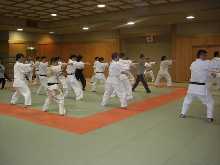
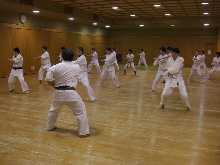
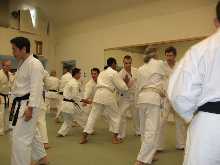
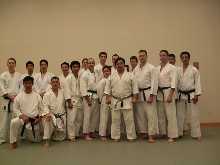
We, Okinawa-kenpo Karate-do Oki-Ken-Kai, work on in a unit called "Keiko-kai".
is a group of like-minded people to practice Okinawa-kenpo any time and anywhere.
Today, there are Keiko-kai in eight region Japan;
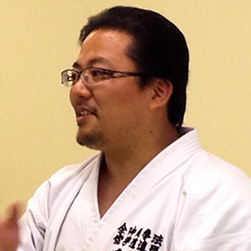
Shihan Yamashiro visits each Keiko-kai regularly, trains them, and conducts open seminars.


Shihan Yamashiro has been invited by masters of other styles, and conducted seminars regularly.


He started practicing karate when he was little with his father, Tatsuo Yamashiro, who inherited "Ti" from Hiroshi Miyazato.
He won 1st place at "All Okinawa Full Contact Fighting with Bogu Gear Tournament" in 1992 and 1993,
Written in Japanese.
Japanese fonts required to view this contents