The coffee table book is not meant to be read in a single sitting. It is not a novel you devour on a commute, nor a textbook you highlight under a desk lamp. It is an object of leisure , display , and conversation . It is the physical manifestation of curiosity — a portal to Helmut Newton’s nudes, the architectural marvels of Tuscany, the microscopic details of a snowflake, or the complete history of the Hawaiian shirt. The concept of a large-format, illustrated book predates the modern coffee table. In the 19th century, Victorian homes featured "parlor tables" stacked with The Illustrated London News or large botanical folios. These were status symbols — proof that a family had the literacy, wealth, and leisure time to appreciate art and knowledge.
But the modern coffee table book as we know it was born in the 1950s. Post-war America saw a boom in suburban living, disposable income, and the rise of the "living room" as a central social space. Coffee tables became ubiquitous. Publishers like Taschen (founded in 1980, but part of this legacy) and Assouline realized that people wanted books that were as much furniture as they were literature. the coffee table book
In the hierarchy of printed matter, few objects occupy a space as simultaneously revered and misunderstood as the coffee table book. To the uninitiated, it is merely a large, heavy, expensive slab of glossy pages that sits undisturbed for months. To the design aficionado, it is a statement of identity. To the host, it is a social lubricant. And to the publisher, it is a glorious, beautiful gamble against the digital tide. The coffee table book is not meant to
And in that moment, the coffee table book will have done exactly what it was meant to do: not inform, not educate, but ignite . It is the physical manifestation of curiosity —


 Synth a tastiera
 Workstation a tastiera
 Pianoforti da palco
 Pianoforti con mobile
 Arranger a tastiera
 Master Keyboard
 Expander
 Campionatori / Groove Box
 Amplificatori per tastiera
 Hammond e organi elettronici
 Organi Classici
 Pedali per tastiere e piano
 Pedali ed effetti per tastiera
 Stand e Supporti
 Custodie per tastiere
 Sgabelli e panchette
 Schede di espansione
 Cavi, adattatori e accessori per tastiere
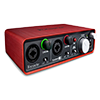 Schede audio / Interfacce Midi
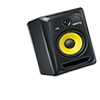 Monitor da studio
 Cuffie da studio
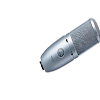 Microfoni da studio
 Processori / Preamplificatori
 Registratori digitali
 Software e PlugIn
 Master Keyboard e Controller Midi
 Mobili da studio
 Cavi, adattatori e accessori per studio
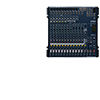 Mixer Analogici
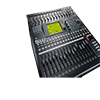 Mixer Digitali
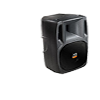 Casse attive
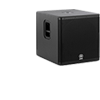 Subwoofer
 Sistemi a colonna
 Preamplificatori / Effetti / Equalizzatori
 Microfoni per Live
 Microfoni per telecamera
 Radiomicrofoni
 In-Ear Monitor
 Karaoke
 Strumenti a fiato
 Violini e viole Elettrici
 Luci ed effetti visivi
 Supporti, cavi e accessori per live
 Lettori CD/MP3 per DJ
 Console / Controller
 Giradischi e Testine per DJ
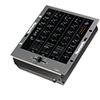 Mixer per DJ
 Software DJ
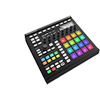 Effetti per DJ e Groove Box
 Cuffie per DJ
 Custodie e Flight case
 Cavi, adattatori e accessori per DJ
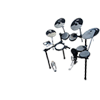 Batterie elettroniche
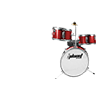 Batterie acustiche
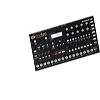 Drum machine
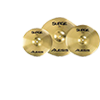 Accessori per batterie
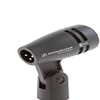 Microfoni per batteria