The battle is not a battle. It is a butchery of poetry.
He swings the gandasa . The blade whistles a folk tune his mother used to hum. It cleaves Noori’s axe in half, then the arm holding it, then the shoulder behind it. Noori falls into the well. The splash echoes for ten seconds. the legend of maula jatt einthusan
We do not begin with the hero. We begin with the monster. Daro Natt, the serpent queen of the Kalyar clan, sits upon a throne made of stolen ploughshares. Her eyes are kohl-rimmed pits of vengeance. Beside her, her hulk of a son, Noori Natt, sharpens a gandasa (battle axe) against a whetstone, the sparks illuminating the scarred faces of a hundred outlaws. The battle is not a battle
We find Maula Jatt (a mountain of torn muscle and silent rage, played with volcanic stillness by Fawad Khan) kneeling in the mud. He is not praying. He is digging. With bare hands, he unearths the very gandasa he swore to bury. The blade is rusted, not with age, but with the dried tears of his mother. The blade whistles a folk tune his mother used to hum
In the village of Guru Nagar, no one sleeps. They whisper a name that tastes like ashes: .
“Daro Natt!” his voice cracks the night. “You came to collect a debt of blood. But I have been counting interest. For every day you lived while my kin rotted, you owe me a gallon of vein-water.”
The fakir laughs. The camera pans down to his feet. He is missing two toes—bitten off by a gandasa fifty years ago.
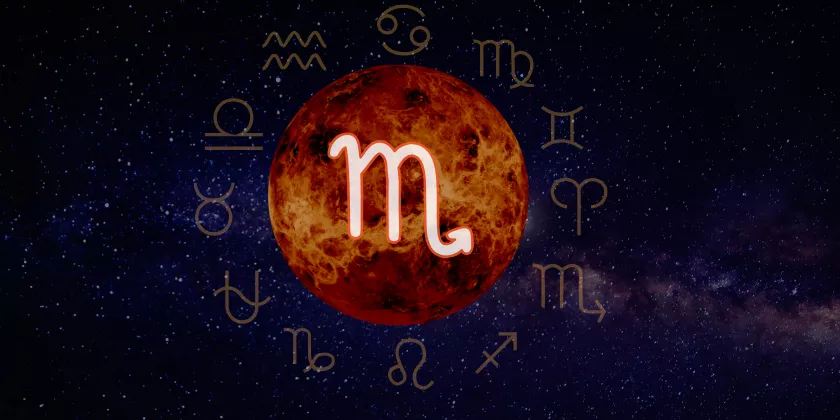 Mercury Transits Scorpio, 6 Dec 2025 till 29 Dec 2025
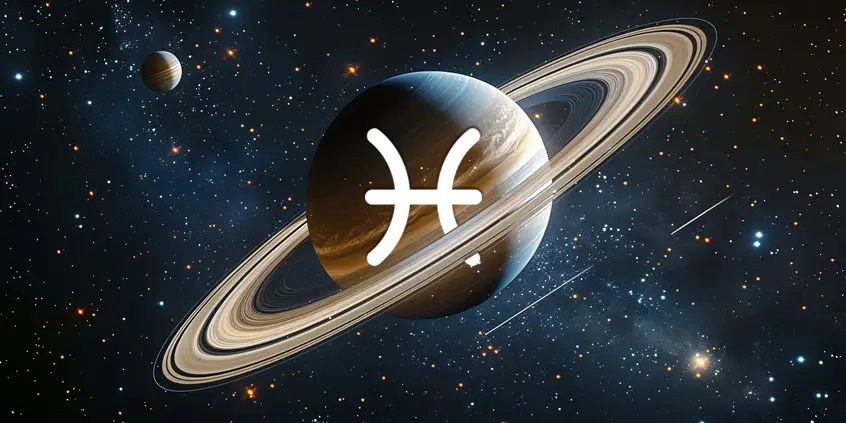 Saturn in Pisces
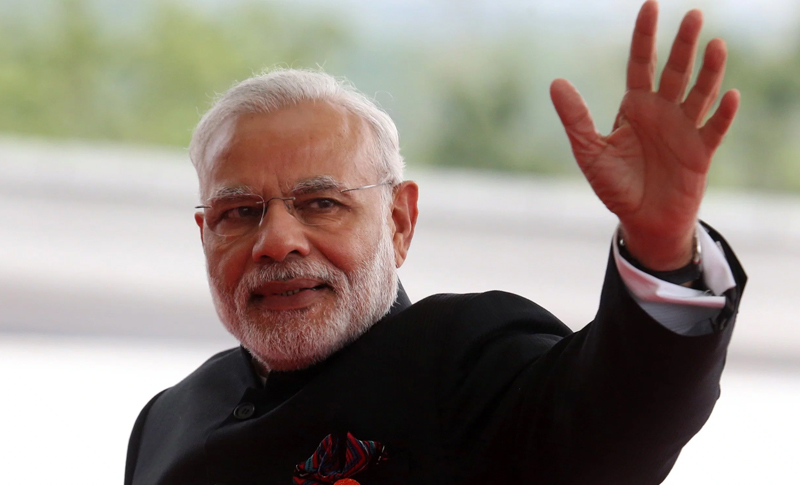 Horoscope Analysis of Narendra Modi
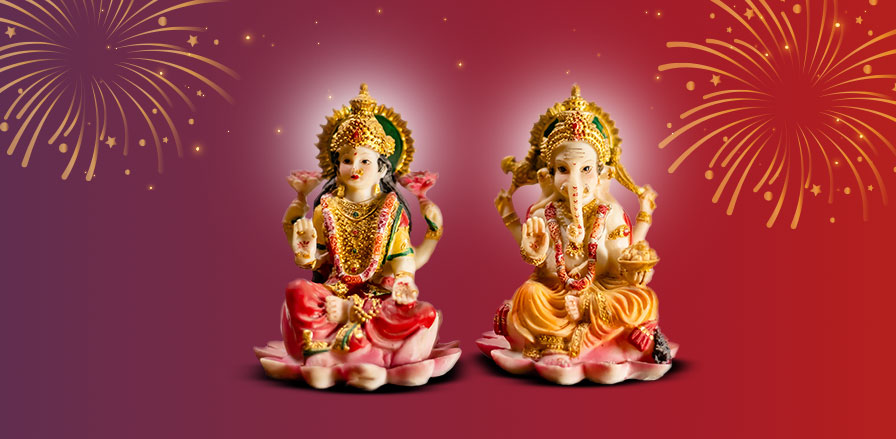 Diwali 18 Oct till 23 Oct 2025: Date, Puja Time and Significance of this 5-Day Festival